
 English
 中文简体
中文简体 日本語
日本語 한국어
한국어 Español
- Type:
- Industry News
- Date:
- 2026-Sep-09
Content
- 1 1. Squishy Toy Material Science: Chemical Composition and Physical Properties
- 2 2. Squishy Toy Manufacturing Processes: A Step‑by‑Step Technical Guide
- 3 3. Safety Standards for Squishy Toys: EN71, ASTM F963 and CPSIA
- 4 4. What Is the White Stuff Inside Squishy Toys? Filling Compositions Explained
- 5 5. How to Clean Squishy Toys: Manufacturer‑Approved Methods and Chemical Precautions
- 6 6. Squishy Toys as Sensory Regulation Tools for ADHD and Autism
- 7 7. Emergency Protocol: If a Child Swallows a Squishy Toy or Its Filling
- 8 8. The Blind‑Box Phenomenon in Squishy Toys: Collector Culture and Product Design
- 9 9. Understanding Squishy Toy Users: Scenarios and Motivations
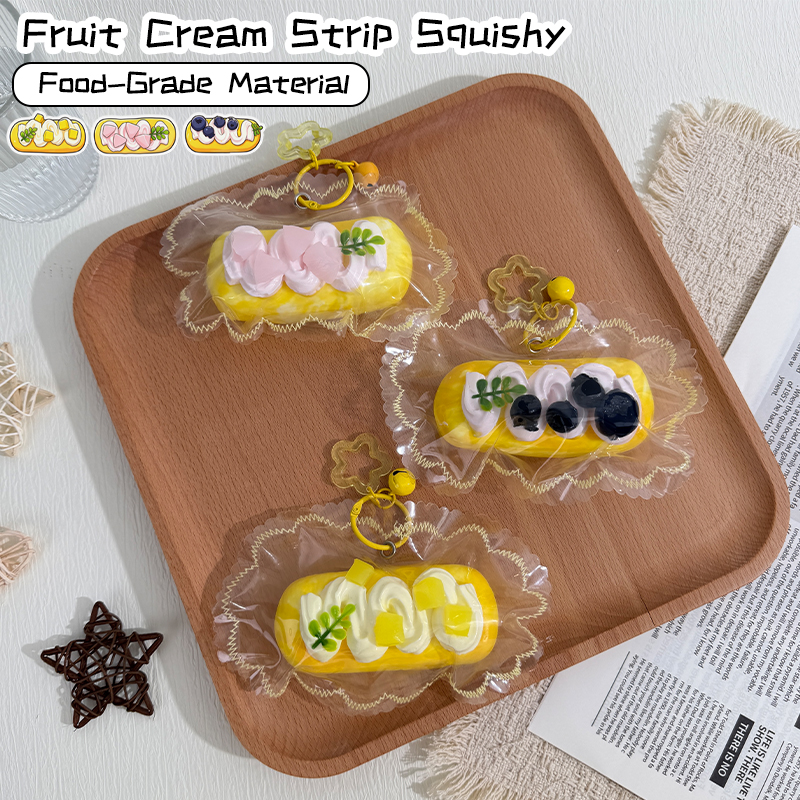
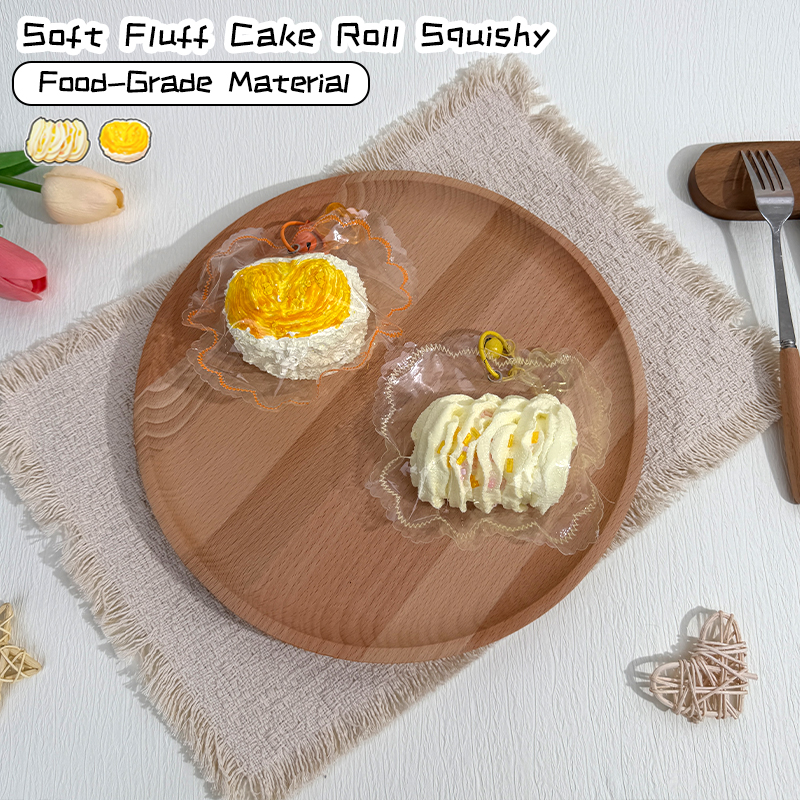
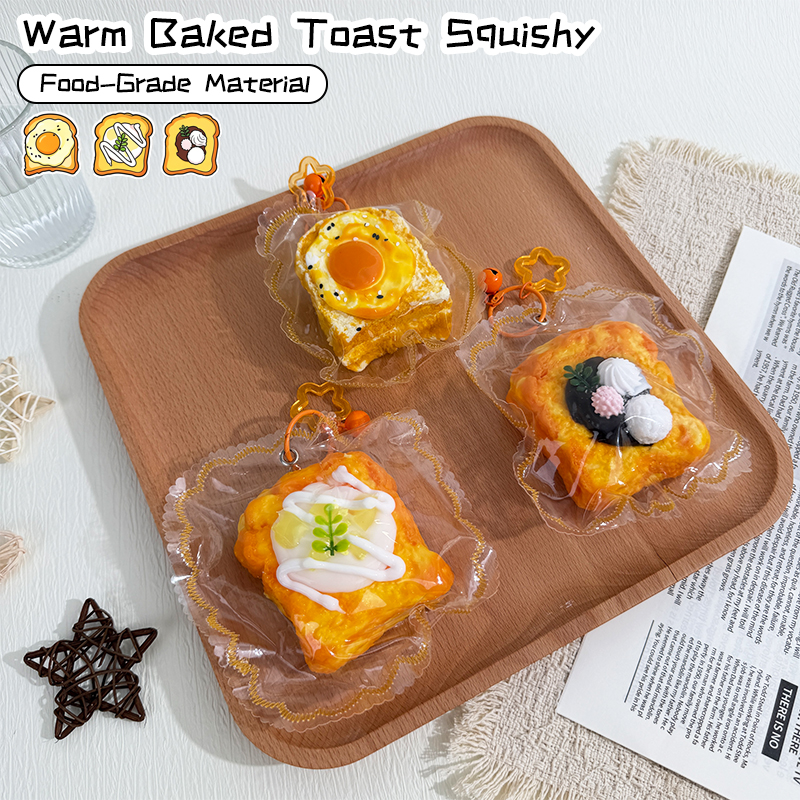
The squishy toy has become a global phenomenon, yet few understand the sophisticated material engineering and rigorous safety protocols behind these seemingly simple soft objects. From the polymer chemistry that governs their slow-rebound behavior to the injection-molding techniques that shape them, a squishy toy represents a convergence of material science, industrial design, and consumer safety. This report provides a comprehensive technical examination of squishy toys — covering the four primary material families, step-by-step manufacturing workflows, international certification requirements, internal filling compositions, proper maintenance methods, sensory applications for neurodivergent individuals, and emergency responses to accidental ingestion. Every aspect is examined from a manufacturer's engineering perspective, without speculation on market movements or pricing.
PU Foam
Slow-rise polyurethane
Light · Porous · Paintable
TPR
Thermoplastic rubber
Jelly-like · Durable · Scratch‑resistant
Silicone
High‑grade elastomer
Premium feel · Long life · Medical‑grade possible
PVC
Polyvinyl chloride
Firm · Transparent · Liquid‑fill compatible
1. Squishy Toy Material Science: Chemical Composition and Physical Properties
The tactile signature of every squishy toy — its softness, rebound speed, durability, and surface feel — is determined by its base polymer. Manufacturers select from four principal material classes, each with distinct molecular structures and processing requirements.
1.1 Polyurethane (PU) Foam – The Classic Slow‑Rise
PU foam squishy toys are produced by reacting a polyether polyol (A‑side) with an isocyanate (B‑side) in the presence of water, catalysts, and surfactant. The water reacts with isocyanate to generate carbon dioxide, which creates the cellular foam structure. The slow‑rebound effect — typically taking 1 to 3 seconds to recover shape — is achieved by controlling the crosslink density and adding plasticizers that increase viscoelastic damping. The open‑cell structure allows air to escape gradually during compression, resulting in the characteristic "memory" feel. PU foam squishy toys are lightweight, can be molded into complex shapes, and accept water‑based paints well. However, they are susceptible to tearing at thin sections and degrade when exposed to ultraviolet light or temperatures above 50°C, which accelerates oxidative chain scission.
1.2 Thermoplastic Rubber (TPR) – The Versatile Jelly
TPR, also known as thermoplastic elastomer (TPE), is a block copolymer comprising hard polystyrene segments and soft polybutadiene or polyisoprene segments. This microphase‑separated structure provides rubber‑like elasticity at room temperature while allowing melt processing at elevated temperatures. For squishy toys, TPR is often injection‑molded into a hollow shell, then filled with a gel or maltose solution. The material offers excellent tear strength, colour stability, and resistance to scratching — because the colour is compounded throughout the material rather than just surface‑coated. TPR squishy toys typically rebound faster than PU foam (under 1 second) and have a smoother, slightly tacky surface that attracts dust if not properly packaged.
1.3 Silicone – The Premium Elastomer
Silicone squishy toys are made from polydimethylsiloxane (PDMS) chains crosslinked via a platinum‑catalyzed hydrosilylation reaction. The resulting network is chemically inert, thermally stable (up to 200°C), and inherently non‑toxic. Silicone's low glass‑transition temperature ensures flexibility even in cold environments. These squishy toys have a silky, non‑sticky surface, outstanding tear resistance, and longevity exceeding three years under normal use. The material is commonly used for medical‑grade or hypoallergenic products, though its higher material cost and longer curing cycles make it less common for mass‑market novelties.
1.4 PVC – The Firm Transparent Option
Polyvinyl chloride (PVC) squishy toys are produced by plasticizing rigid PVC resin with phthalate or non‑phthalate plasticizers to achieve the desired softness. Unlike foams or rubbers, PVC squishy toys are often liquid‑filled — the shell is rotationally molded or blow‑molded, then filled with water, gel, or glitter suspensions. PVC offers excellent clarity for visual effects and good chemical resistance, but low‑grade plasticizers can migrate and cause surface stickiness over time. Modern formulations increasingly use adipate or citrate ester plasticizers to avoid phthalate concerns.
| Property | PU Foam | TPR | Silicone | PVC (plasticized) |
|---|---|---|---|---|
| Rebound speed | Slow (1–3 s) | Fast (<1 s) | Medium (0.5–1 s) | Very slow (liquid damped) |
| Surface feel | Dry, matte | Smooth, slightly tacky | Silky, non‑stick | Smooth, waxy |
| Colour integration | Surface‑painted | Mass‑coloured | Mass‑coloured | Mass‑coloured |
| Tear resistance | Moderate (tears at corners) | High (stretches before tearing) | Very high | Moderate |
| Maximum service temperature | 50°C (degradation starts) | 70°C (softening) | 200°C (stable) | 60°C (plasticizer migration) |
| Density range (g/cm³) | 0.08 – 0.30 (foam) | 0.90 – 1.10 | 1.10 – 1.20 | 1.20 – 1.40 |
| Common filling | None (solid foam) | Gel, maltose, microbeads | None (solid elastomer) | Liquid, glitter, water beads |
Manufacturing consideration: The choice of material for a squishy toy directly affects mold design, cycle time, finishing operations, and the potential for post‑manufacturing odour. PU foam requires extensive aeration to remove residual amines; TPR demands precise temperature control during injection to avoid flash; silicone needs platinum‑catalyzed curing at elevated temperatures; and PVC must be compounded with migration‑resistant plasticizers to prevent exudation.
2. Squishy Toy Manufacturing Processes: A Step‑by‑Step Technical Guide
The production route for a squishy toy varies significantly with the chosen material. Below are the detailed workflows for the two most common types: PU foam (solid slow‑rise) and TPR (filled hollow).
A
PU Foam Manufacturing
- Resin blending: Polyol, isocyanate, water, silicone surfactant, amine catalyst, and tin catalyst are metered and mixed at high shear (3000–5000 rpm) for 3–5 seconds.
- Pouring: The liquid mixture is poured into pre‑heated (40–45°C) aluminum or epoxy molds at a controlled fill rate to avoid air entrapment.
- Curing: Molds are closed and held at 50–60°C for 6–10 minutes. The exothermic reaction generates internal heat that completes the polymerization.
- Demolding: The foam squishy toy is extracted and placed in a curing rack at room temperature for 24–48 hours to complete crosslinking and allow residual amines to diffuse out.
- Trimming: Flash lines and sprue marks are removed with hot‑knife or cryogenic deflashing.
- Surface preparation: The foam is washed with a mild detergent solution, dried, and then hand‑painted or spray‑coated with water‑based acrylic paints.
- Final curing: Painted squishy toys are oven‑dried at 40°C for 2 hours, then packed in perforated bags to allow any residual volatiles to escape.
B
TPR (Hollow + Filled) Manufacturing
- Injection molding: TPR pellets are dried (80°C for 2–3 hours) then injection‑molded at 180–220°C into two‑piece shells (front and back halves). Cycle time: 20–35 seconds per pair.
- Cooling and handling: Shells are conveyed through a cooling tunnel to room temperature, then sorted for filling.
- Filling station: A precision dispenser injects a measured amount of filling (e.g., maltose syrup, PVA gel, or microbeads) into the bottom shell. Fill volume is controlled to allow 10–15% headspace for compression.
- Sealing: The top shell is placed over the filled bottom shell, and the two are welded together using ultrasonic or high‑frequency welding — this melts the flange surfaces and fuses them into a single seam.
- Leak testing: Each sealed squishy toy is passed through a weigh‑check and then compressed manually or mechanically to detect leaks. Any hissing or weight loss triggers rejection.
- Surface decoration: TPR squishy toys may be pad‑printed or hot‑stamped with designs, as they do not accept paint well. Glitter or holographic films can be in‑mould labelled during injection.
C
Quality Assurance Gates
- Incoming material testing: Viscosity, hydroxyl number (for polyol), NCO content (for isocyanate), and moisture content are verified.
- In‑process controls: Foam density, rise time, and tack‑free time are monitored for PU; injection pressure and melt temperature for TPR.
- Finished product tests: Shore 00 hardness measurement, rebound time (using a standardized drop‑ball test), compression set (70°C for 22 hours), and colour fastness to light (Xenon arc).
- Migration testing: Extracts in artificial saliva and sweat are analysed for heavy metals and organic migrants per EN71‑3.
- Functional checks: Each squishy toy is hand‑squeezed by an operator to verify consistent feel and absence of internal defects.
3. Safety Standards for Squishy Toys: EN71, ASTM F963 and CPSIA
Squishy toys are regulated as children's products in most jurisdictions, requiring compliance with stringent chemical and physical safety standards. Manufacturers must design squishy toys to pass these tests before they reach retail shelves.
European Union – EN71 Series
- EN71‑1 (Mechanical): Prohibits small parts that fit into the small‑parts cylinder (for children under 36 months). Requires that any detachable component is larger than 31.7 mm in diameter. Also limits sharp edges, points, and compression‑loaded components that could cause laceration.
- EN71‑2 (Flammability): The squishy toy must have a burning rate ≤ 30 mm/s, or after‑flame time ≤ 2 seconds for any material that supports combustion. Foam squishy toys often require flame retardant additives.
- EN71‑3 (Heavy metal migration): Limits the extractable amount of 19 elements (including antimony, arsenic, barium, cadmium, chromium, lead, mercury, selenium) in three categories of toy material. For polymeric squishy toys, the migration limits range from 0.2 mg/kg (mercury) to 560 mg/kg (barium) depending on the element and material category.
- EN71‑9 (Organic compounds): Restricts certain flame retardants, colourants, primary aromatic amines, and preservatives. Of particular relevance to squishy toys is the formamide limit in PU foam — the current limit is 200 μg/m³ when tested by chamber method.
- REACH SVHC: Any substance of very high concern present above 0.1% w/w must be reported. Phthalates (DEHP, DBP, BBP, DINP, DIDP, DNOP) are each limited to 0.1% in plasticized materials.
United States – ASTM F963 & CPSIA
- ASTM F963‑23 (Standard Consumer Safety Specification for Toy Safety): Covers mechanical hazards (small parts, sharp edges, projections), toxicological hazards (heavy metals, phthalates), and flammability. It includes specific requirements for squeeze toys — they must not have a volume larger than that which can be swallowed or aspirated; and any liquid‑filled squishy toy must be leak‑proof under 50 N compression.
- CPSIA (Consumer Product Safety Improvement Act): Mandates that all children's products, including squishy toys, have a Children's Product Certificate (CPC) based on testing by a CPSC‑accepted third‑party lab. Lead content limit: 100 ppm total lead in substrate; 90 ppm for paint/surface coatings. Phthalate limit: six specified phthalates each ≤ 0.1%.
- Tracking label: Each squishy toy and its packaging must bear a tracking label with the manufacturer's name, production date, batch number, and country of origin to facilitate recalls.
- Small parts warning: For squishy toys intended for children under 3, any removable part must be larger than the small‑parts cylinder. If the squishy toy is a single piece, it must not fit entirely into the cylinder.
- Water‑absorbing beads: Any squishy toy containing water‑absorbing polymer beads must comply with ASTM F406 and include a warning about expansion hazards if swallowed.
Critical manufacturing note: The 2026 revision of EN71‑1 introduces stricter requirements for food‑shaped squishy toys to prevent confusion with actual food items. Additionally, any squishy toy with a filling that can leak under pressure must now pass a cyclic compression test (500 cycles at 75% deflection) without loss of integrity. Manufacturers should also be aware that squishy toys left in hot vehicles have caused burns — thus, packaging should include temperature warning labels.
4. What Is the White Stuff Inside Squishy Toys? Filling Compositions Explained
One of the most frequent consumer questions is: what is the white stuff inside squishy toys? The answer varies by product design. Manufacturers use several filling systems to achieve different tactile and visual effects.
Maltose / Glucose Syrup
A water‑based viscous syrup that provides a slow, flowing resistance when squeezed. It is non‑toxic and has natural sweetness, though it may crystallize over time if moisture content is not controlled. This is the most common filling for TPR squishy toys that emulate food textures.
PVA Hydrogel
Polyvinyl alcohol crosslinked with borax or glutaraldehyde forms a clear, jelly‑like gel. It can be filled with glycerin to prevent drying and with pigments for colour. PVA gels are stable, non‑toxic, and provide a satisfyingly firm yet yielding squeeze. They are often used in premium squishy toys where clarity is desired.
Microbeads (Polystyrene or Polyethylene)
Tiny spherical beads, typically 0.5–2 mm diameter, are packed inside the squishy toy shell. When squeezed, the beads slide past each other, creating a unique granular feel. This is the classic "stress ball" construction. The beads are lightweight and provide a distinct auditory and tactile feedback.
Water / Glycerin / Glitter Suspensions
Liquid‑filled squishy toys contain a mixture of water, glycerin (to prevent freezing), and decorative elements like glitter or small floating shapes. The liquid provides a slow‑moving, viscous resistance and creates visual appeal. These require a robust seam to prevent leakage and are often tested for burst pressure.
The "white stuff" most commonly refers to either PVA hydrogel (which appears white when opaque fillers are added) or maltose syrup (which is amber but can be whitened with titanium dioxide). Some squishy toys also contain a blend of microbeads with a viscous binder to reduce noise. Manufacturers select the filling based on the desired squeeze resistance, rebound rate, and sensory profile, while ensuring that all components comply with the migration limits of EN71‑3 and FDA food‑contact regulations where applicable.
5. How to Clean Squishy Toys: Manufacturer‑Approved Methods and Chemical Precautions
Maintaining a squishy toy in hygienic condition without damaging its material requires understanding the chemistry of each polymer. Incorrect cleaning agents can cause swelling, leaching, or surface degradation.
PU Foam Squishy Toys
- Recommended: Dampen a soft cloth with lukewarm water and a drop of mild dish soap (pH neutral). Gently wipe the surface, then use a second cloth with clean water to remove soap residue.
- Drying: Pat dry with a microfiber towel and leave in a well‑ventilated area away from direct sunlight. Do not use heat guns or hairdryers — accelerated drying can cause surface cracking.
- Avoid: Soaking in water (absorbs into open cells and may promote microbial growth); alcohol, acetone, or any organic solvent (dissolves the polyurethane matrix); abrasive cleaners (scratch the painted surface).
- For stubborn stains: Use a soft toothbrush with a paste of baking soda and water, apply gently, then rinse immediately.
TPR and Silicone Squishy Toys
- Recommended: Wash with warm water (35–40°C) and a neutral liquid soap. Use a soft sponge or cloth; for textured surfaces, a soft‑bristled brush can reach crevices.
- Disinfection: For silicone squishy toys, a 70% isopropyl alcohol wipe is acceptable (silicone is resistant to alcohols). However, for TPR, alcohol can leach plasticizers and cause stickiness — so use soap and water instead.
- Drying: Air dry completely before storage. TPR tends to attract dust, so store in a sealed container after drying.
- Avoid: Boiling water (may soften or deform TPR); harsh detergents containing chlorine bleach (oxidize the polymer); prolonged exposure to UV light (yellowing).
General Prohibitions for All Squishy Toys
- Never machine‑wash — the mechanical agitation and spin cycle will tear PU foam or break TPR seams.
- Never microwave — trapped moisture or air expands and can cause the squishy toy to burst, releasing hot material.
- Never leave in a hot car — temperatures above 50°C cause PU foam to soften and lose memory; TPR may become sticky; PVC plasticizers may migrate.
- Never use fabric softeners, bleach, or ammonia‑based cleaners — they chemically attack the polymer chains.
6. Squishy Toys as Sensory Regulation Tools for ADHD and Autism
Beyond recreational use, squishy toys have been adopted by occupational therapists and educators as effective sensory fidget tools. The underlying mechanism involves proprioceptive and tactile input that helps modulate the nervous system.
ADHD and Focus Enhancement
For individuals with attention‑deficit/hyperactivity disorder (ADHD), repetitive motor activities — such as squeezing a squishy toy — can provide a "sensory anchor" that redirects excess motor energy away from disruptive behaviors. The slow, controlled rebound of a PU foam squishy toy offers a rhythmic feedback loop that may improve sustained attention during sedentary tasks. Studies suggest that the tactile stimulation engages the somatosensory cortex, reducing the need for larger, more distracting movements.
Autism Spectrum Disorder (ASD)
Many autistic individuals experience sensory processing differences, either seeking or avoiding certain tactile inputs. A squishy toy with a predictable, gentle compression pattern can serve as a calming regulatory tool. The resistance and slow return provide a consistent sensory signal that can help ground the user during moments of sensory overload. Additionally, the visual of the squishy toy slowly recovering its shape can be soothing and offer a focal point for visual attention.
Classroom and Therapy Integration
Educators increasingly include squishy toys in "fidget toolkits" available to students who benefit from tactile input. The non‑disruptive nature of a squishy toy — it produces minimal noise and stays in the user's hands — makes it suitable for classroom environments. Therapists often select specific squishy toys based on individual sensory profiles: firmer ones for deep pressure input, softer ones for gentle tactile feedback. The portability and durability of TPR squishy toys make them particularly popular for on‑the‑go use.
7. Emergency Protocol: If a Child Swallows a Squishy Toy or Its Filling
Immediate Actions to Take
- Step 1 – Call for help: Contact your local Poison Control Center or emergency medical services immediately. Do not wait for symptoms such as choking, coughing, or abdominal pain to develop. Time is critical, especially if the squishy toy contains water‑absorbing beads.
- Step 2 – Do NOT induce vomiting: Unless explicitly instructed by a medical professional, do not force the child to vomit. Some materials (e.g., expanding beads) may cause additional blockage during regurgitation; solvents or gels could be aspirated into the lungs.
- Step 3 – Assess airway and breathing: If the child is choking, perform the Heimlich maneuver appropriate for their age. If the child is unconscious or not breathing, begin CPR immediately.
- Step 4 – Preserve the product packaging: Keep the packaging or any label that identifies the material composition of the squishy toy. This information helps medical professionals determine the appropriate treatment — e.g., whether the filling is glucose‑based (low toxicity), PVA (generally inert), or contains small parts that may show up on X‑ray.
- Step 5 – Monitor for delayed symptoms: Even if the child appears fine, some fillings (e.g., mineral oil, certain gel components) can cause gastroenteritis or intestinal obstruction hours later. Follow medical advice for observation period.
Preventive measures: Always supervise children under 3 years of age when they play with any squishy toy. Regularly inspect squishy toys for tears, leaks, or loose parts. Discard any squishy toy that shows signs of surface stickiness, strong chemical odour, or visible degradation — these indicate material breakdown that could increase leaching of additives. Teach older children not to put squishy toys in their mouths, and store all squishy toys out of reach of infants and pets.
8. The Blind‑Box Phenomenon in Squishy Toys: Collector Culture and Product Design
A notable development in the squishy toy sector is the adoption of blind‑box packaging, where consumers purchase a sealed container without knowing which specific variant they will receive. This model, popularized by the squishy bun mystery toy concept, has transformed the squishy toy from a single‑use novelty into a collectible item with tiered rarity.
Manufacturers design blind‑box squishy toys with a base line of common colours (e.g., solid pastels) and a set of rare "chase" variants (e.g., holographic finishes, glow‑in‑the‑dark compounds, translucent glitter, or thermochromic colour‑change). The rarity tiers are achieved by limiting production runs of certain compounds — for example, a holographic variant may require a more expensive masterbatch and a dedicated injection cycle, making it intrinsically scarcer.
The social dimension is equally important: collectors share their pulls on social media, trade duplicates, and display their collections. This community engagement drives repeat purchases, as consumers seek to complete sets or acquire the rarest pieces. From a production standpoint, blind‑box squishy toys require careful inventory management and quality assurance to ensure that the distribution of rarities matches the intended odds. Each batch must be independently verified for colour consistency and functional performance, because collectors are highly sensitive to variations in the squishy toy's feel and appearance.
The squishy bun mystery toy is a prime example: its dumpling‑shaped shell, typically made of TPR, contains a gel filling that provides a distinct squish. The packaging — a miniature steamer basket — enhances the unboxing experience. Variants include metallic, iridescent, and even scented versions. While the blind‑box model is not unique to squishy toys, its combination with the innate tactile satisfaction of squeezing has proven particularly compelling for a broad age range.
9. Understanding Squishy Toy Users: Scenarios and Motivations
Squishy toys appeal to a diverse demographic, from young children to adults, each with distinct usage patterns. While no specific market statistics are referenced here, the observed behavioural categories help manufacturers tailor product attributes.
Children (ages 3–12)
Primarily driven by novelty, colour, and the fun of squeezing. They often use squishy toys as simple fidgets or collectibles. Durability and safety (no small parts, non‑toxic) are paramount for this group. Food‑shaped squishy toys are particularly popular but require careful design to avoid being mistaken for real food.
Teens and Young Adults
This cohort engages with squishy toys through social media and peer influence. The blind‑box aspect and rarity chase are major drivers. They value aesthetic appeal (trendy colours, gloss finishes) and the ASMR quality of the squeezing sound. For them, a squishy toy is both a stress reliever and a status symbol within their community.
Adults in Workplace or Therapy
Many adults keep a squishy toy at their desk to help manage stress or maintain focus during long meetings or intense work sessions. They tend to prefer understated designs (neutral colours, simpler shapes) and prioritize durability and easy cleaning. Occupational therapists often recommend specific squishy toys for clients needing proprioceptive input.
Collectors and Enthusiasts
A dedicated segment that pursues complete series, rare variants, and prototypes. They are highly knowledgeable about materials and can distinguish between PU foam grades and TPR formulations. For them, a squishy toy is an object of art and engineering. They often maintain detailed inventories and participate in trading networks, and they value authenticity and quality consistency.
The squishy toy is far more than a fleeting fad — it is a carefully engineered product that balances polymer chemistry, precision manufacturing, and user‑centred design. Understanding the molecular structure of PU foam, the processing windows for TPR, the compliance requirements of EN71 and ASTM, and the sensory benefits for diverse users equips manufacturers, educators, and consumers with the knowledge to appreciate and safely enjoy these objects. Whether used as a therapeutic aid, a collectible treasure, or a simple source of tactile pleasure, the squishy toy exemplifies how thoughtful material selection and rigorous quality control can create a product that is both functional and beloved. This technical overview has covered the essential scientific and practical aspects — from the white filling mystery to the correct cleaning protocols, from the blind‑box design to the emergency response — all without reference to transient market conditions, because the enduring value of a squishy toy lies in its material integrity and the human response it evokes.