
 English
 中文简体
中文简体 日本語
日本語 한국어
한국어 Español
- Type:
- Industry News
- Date:
- 2026-Sep-09
Content
- 1 Slow-Rise Foam Squishies
- 2 Slime-Filled and Gel-Core Squishies
- 3 DNA Balls and Mesh Squishies
- 4 Jumbo and Novelty Squishies
- 5 Scent, Color, and Print Variations
- 6 Comparing the Main Types
- 7 Spotting Low-Quality or Fake Squishies
- 8 Caring for Squishies to Extend Their Life
- 9 Choosing the Right Type for Age and Purpose
Squishy toys fall into a handful of clear categories: slow-rise foam squishies, slime-filled squishies, gel-bead squishies, DNA/mesh ball squishies, and jumbo or novelty squishies. Each type behaves differently when squeezed, uses a different core material, and suits a different purpose — from stress relief at a desk to sensory play for kids.
Knowing the material inside a squishy matters more than its shape or scent. It determines how long the toy lasts, whether it's safe for young children, whether it actually relieves stress, and even how much it's worth if it's part of a collectible line.
Slow-Rise Foam Squishies
These are the most common type sold in toy stores, made from polyurethane foam that's been treated to expand slowly after being squeezed. A quality slow-rise squishy takes roughly 3 to 5 seconds to fully return to shape, which is what gives it that satisfying, hypnotic feel.
They typically come shaped like food items — bread, donuts, sushi — or animals and cartoon characters. Cheaper versions rebound almost instantly (under 1 second) or tear easily, which is usually a sign of low-density foam cut with cheaper fillers during manufacturing.
How Foam Density Affects Feel
Foam density is measured in kg/m³, and most name-brand squishies sit in the 18–25 kg/m³ range. Below that, the foam feels crumbly and rebounds too fast; above it, the squishy feels stiffer and harder to fully compress. This is why two squishies of the same size can feel completely different in the hand.
Slime-Filled and Gel-Core Squishies
Instead of foam, these squishies have a soft outer shell filled with slime, gel, or a thick liquid. Squeezing them creates a shifting, oozing sensation rather than a slow rebound, which many people find more tactile and satisfying for repetitive stress relief.
Common Subtypes
- Gel-bead squishies — filled with tiny colored beads suspended in gel
- Liquid-core squishies — filled with colored liquid, sometimes with glitter
- Bubble tea or boba squishies — combine gel liquid with foam "pearls"
- Butter or cloud slime squishies — thicker, semi-solid slime with a matte outer coating
These are more prone to leaking or bursting than foam squishies, so they're generally better suited to supervised play or adult desk use rather than being tossed in a backpack. A puncture as small as 2mm is often enough for gel to start seeping out over a few days.
DNA Balls and Mesh Squishies
A DNA ball (also called a mesh ball or grape stress ball) consists of a stretchy mesh outer layer wrapped around a foam or gel core. Squeezing it pushes the inner material through the mesh, creating small bulging "grapes" on the surface.
This type is popular specifically for anxiety and fidget relief because the resistance is stronger and more repeatable than foam — the mesh can typically be squeezed several thousand times without losing its shape, unlike slow-rise foam, which visibly degrades after a few hundred heavy compressions.
Jumbo and Novelty Squishies
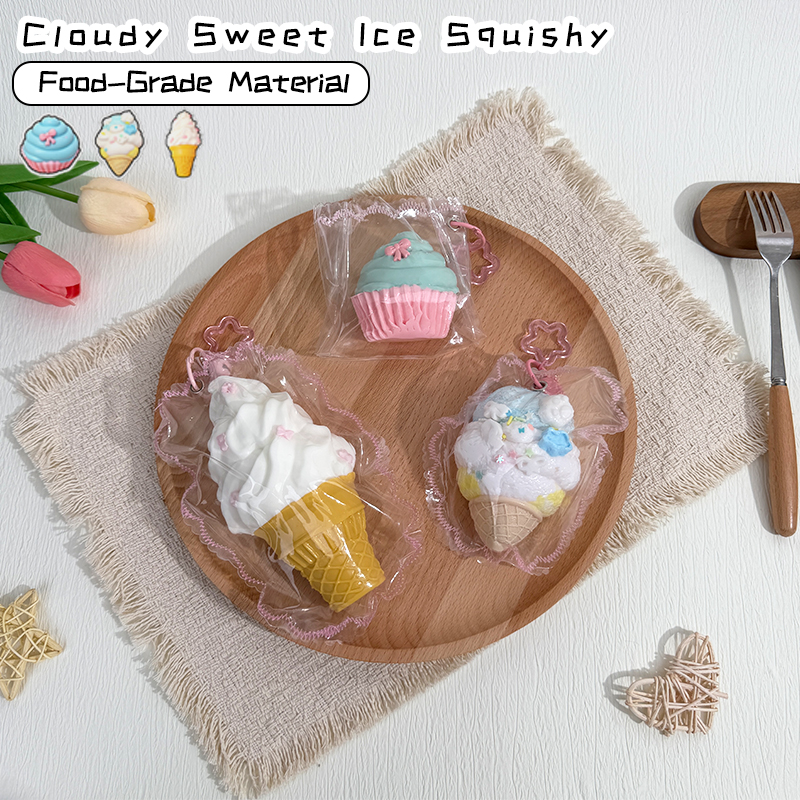
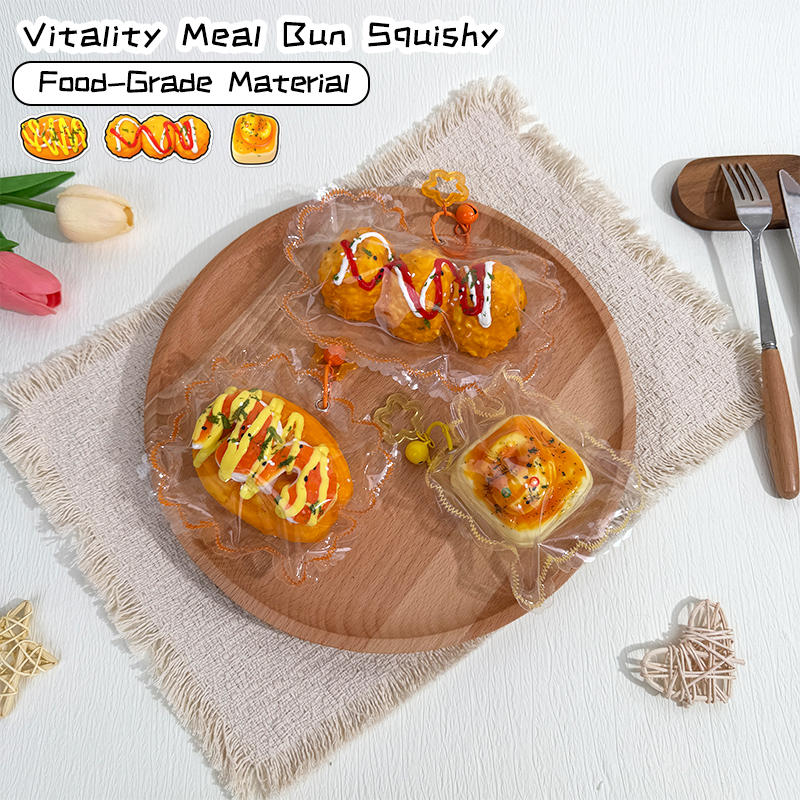
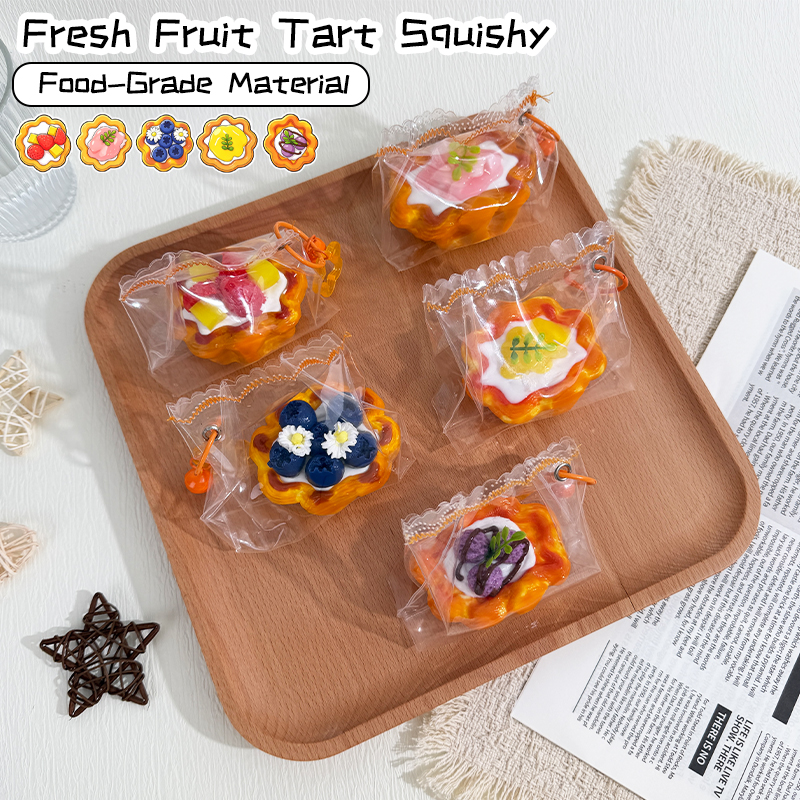
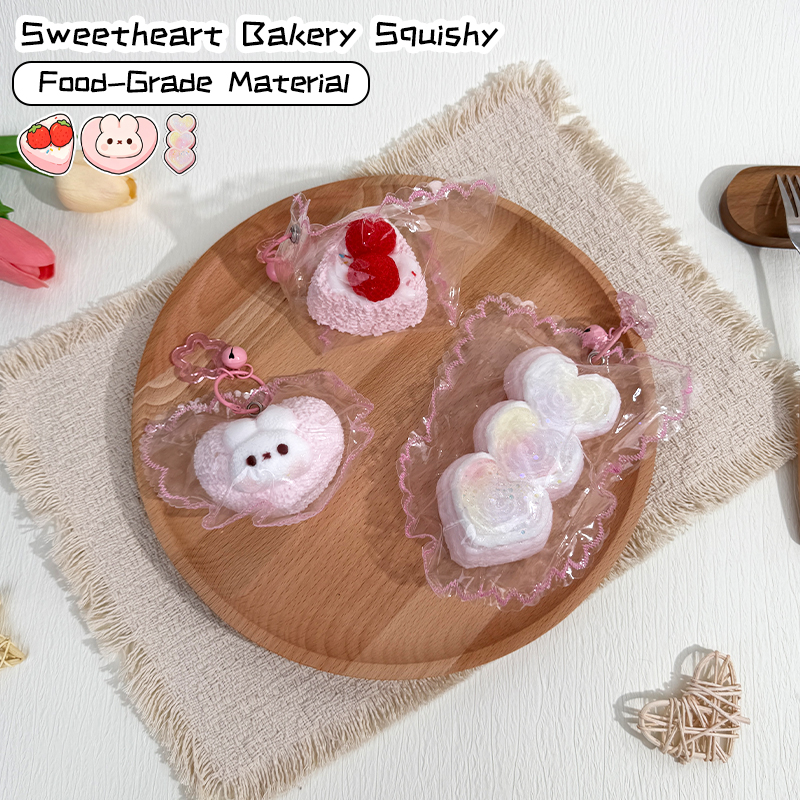
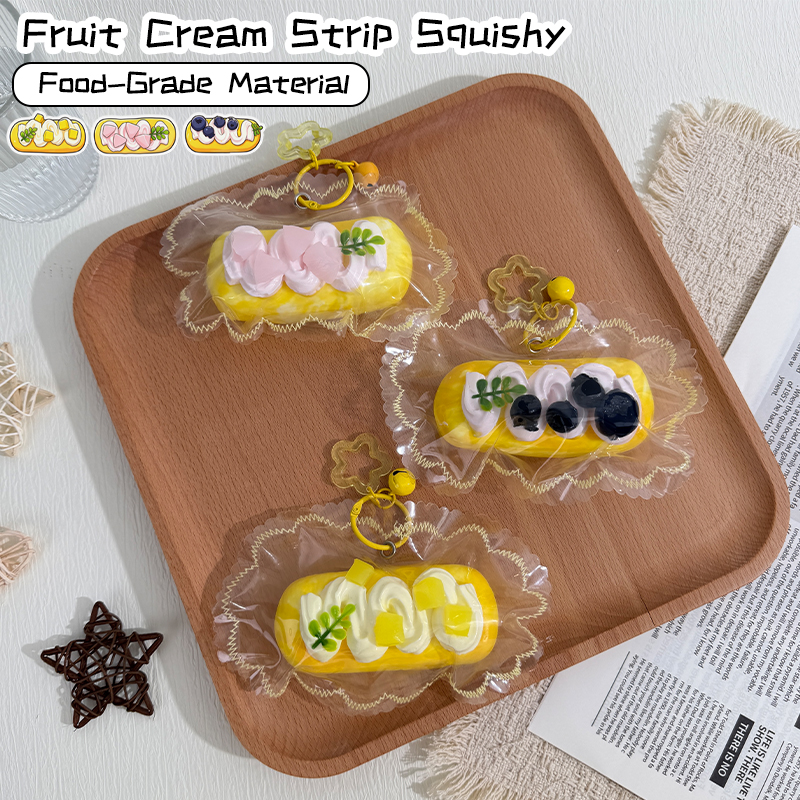
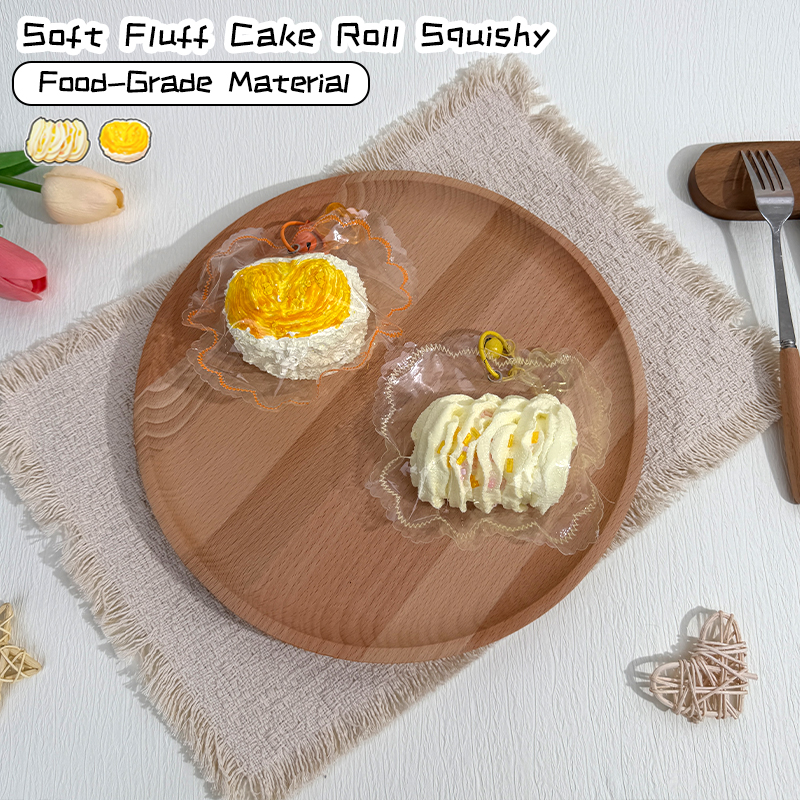
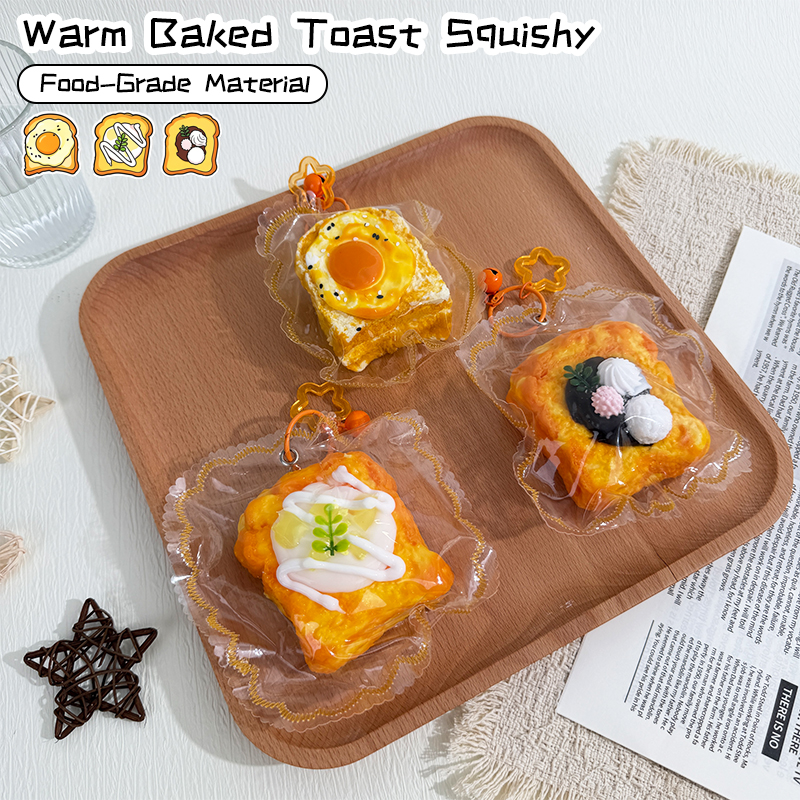
Jumbo squishies are simply oversized versions of foam or slime squishies, often 6 inches or larger, marketed more for collecting and display than everyday fidgeting. Novelty squishies extend the format into unusual shapes — realistic food replicas, licensed cartoon characters, and scented versions infused with fragrance oils during manufacturing.
Collectible squishies are often sold in blind bags or limited runs, which has turned them into a trading and resale category similar to trading cards among younger collectors. Rare licensed designs from discontinued lines can resell for several times their original retail price.
Scent, Color, and Print Variations
Beyond core material, squishies are also grouped by finishing style, which affects both price and how the toy is marketed:
- Scented squishies — infused with fragrances like strawberry, vanilla, or bubblegum during the foam-curing process
- Hand-painted squishies — detailed with acrylic paint for a more realistic or artistic finish, usually priced higher
- Glow-in-the-dark squishies — infused with phosphorescent pigment that charges under light
- Color-changing squishies — shift color with temperature using thermochromic dye, often triggered by hand warmth or cold water
- Glitter or sparkle squishies — foam or slime mixed with fine glitter particles for visual appeal
Comparing the Main Types
| Type | Core Material | Best For | Durability |
|---|---|---|---|
| Slow-rise foam | Polyurethane foam | General play, collecting | Moderate |
| Slime/gel-filled | Slime, gel, or liquid | Sensory play, tactile relief | Low to moderate |
| DNA/mesh ball | Foam or gel with mesh shell | Anxiety and fidget relief | High |
| Jumbo/novelty | Foam, often scented | Display, collecting, trading | Moderate |
Spotting Low-Quality or Fake Squishies
Cheap knockoffs are common in this category, and they're usually easy to identify once you know what to check. A few reliable signs of a lower-quality squishy:
- Rebounds in under 1 second instead of the expected 3–5 seconds for slow-rise foam
- Strong chemical smell rather than a fruity or bakery scent, often a sign of low-grade foam curing
- Visible seams or glue lines around the printed design
- Paint that rubs off or smudges after light handling
- No safety labeling or age recommendation on the packaging
Reputable brands list compliance with safety standards such as ASTM F963 or EN71 on the packaging, which covers testing for choking hazards and chemical safety — worth checking before buying for a child under 3.
Caring for Squishies to Extend Their Life
Foam squishies lose their slow-rise quality faster when exposed to direct sunlight or high heat, which breaks down the foam's cell structure. Keeping them out of hot cars or direct windowsill light can noticeably extend how long the rebound effect lasts, sometimes by a year or more compared to squishies left in heat regularly.
Light surface dirt can usually be cleaned with a damp cloth and mild soap, but foam squishies should never be fully submerged in water, since trapped moisture inside the foam leads to mold. Gel and slime-filled squishies should be kept away from sharp edges entirely, since they can't be repaired once punctured.
Choosing the Right Type for Age and Purpose
For young children, foam squishies without small detachable parts are the safest bet, since gel and liquid-filled versions can burst and pose a choking or mess hazard if punctured. For teens and adults using squishies as a stress or anxiety tool, DNA balls and mesh squishies tend to hold up best under frequent, forceful squeezing.
Collectors chasing rare or licensed designs will find the widest selection in the jumbo and novelty category, while anyone shopping purely for tactile relief at a desk should prioritize mesh or slow-rise foam over liquid-filled options, which degrade faster with daily handling.