
 English
 中文简体
中文简体 日本語
日本語 한국어
한국어 Español
Sensory Design & Product Comparison
A close reading of two familiar objects — one shaped like sugar, one shaped like fur — and what they actually do to a restless hand.
The Short Answer, Stated Plainly
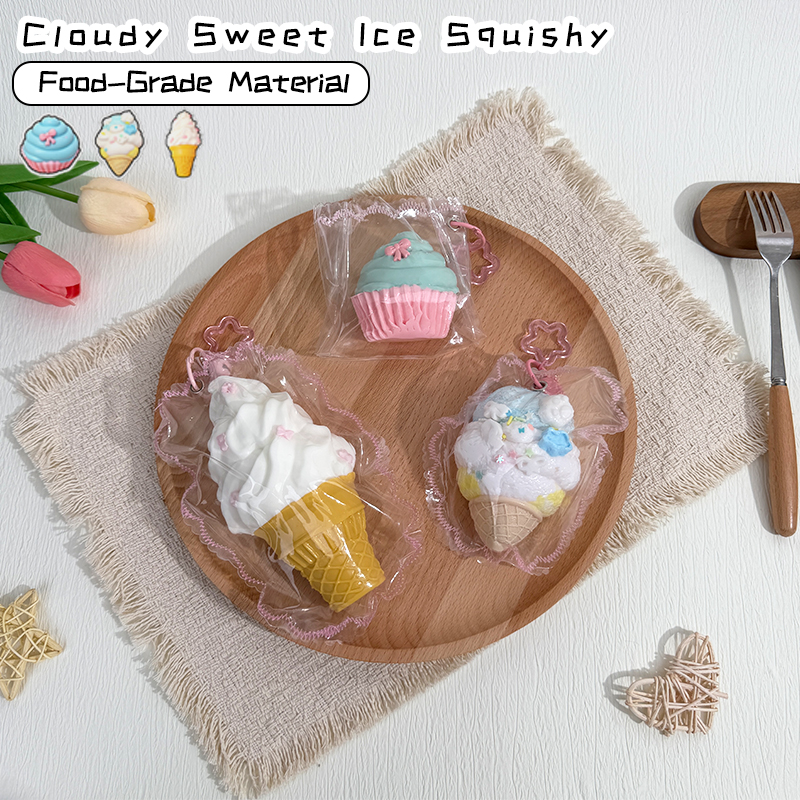
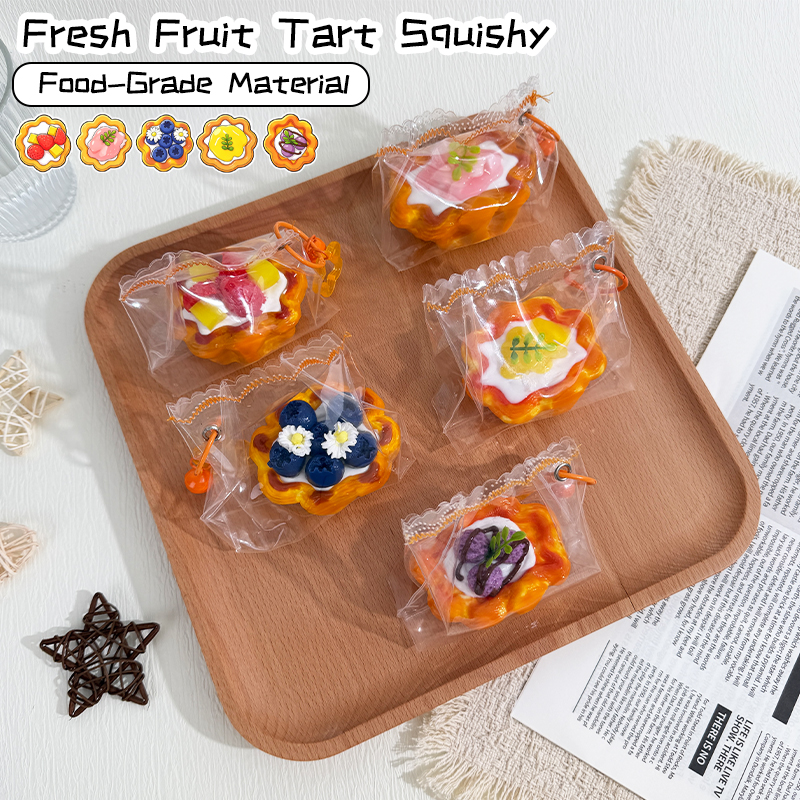
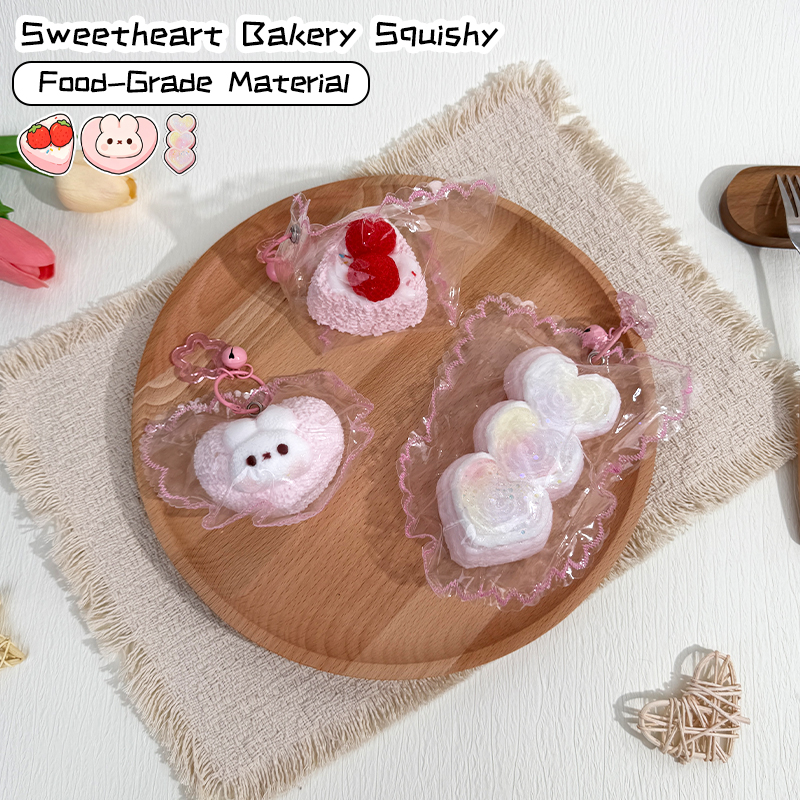
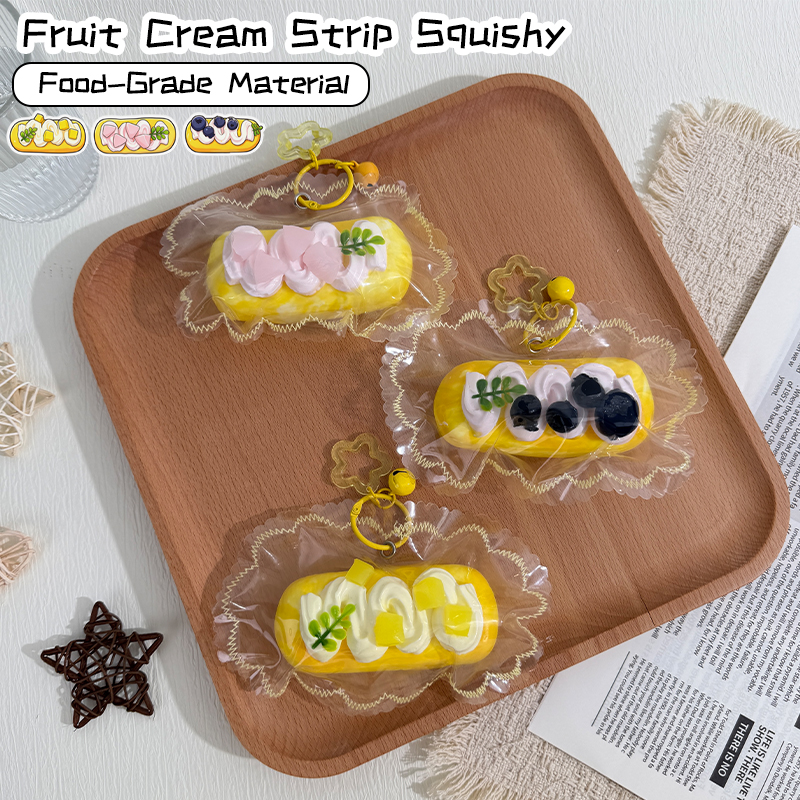
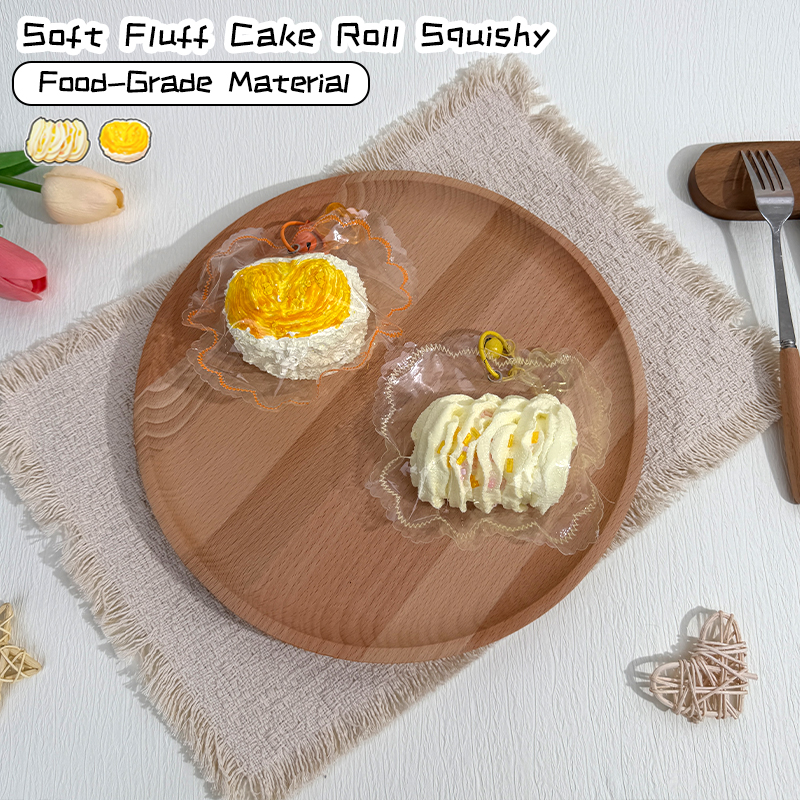
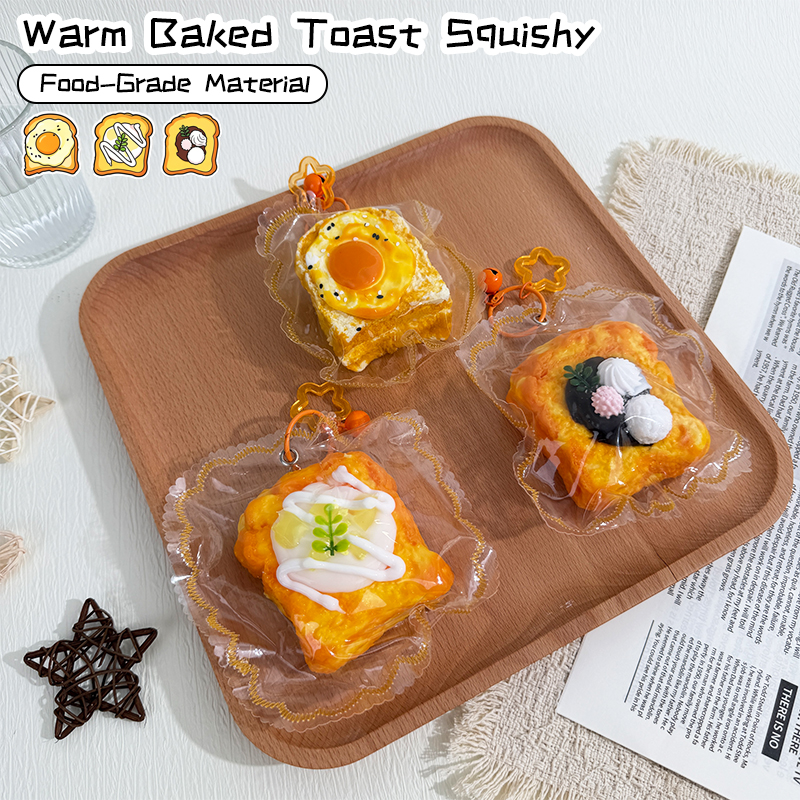
In most sensory therapy contexts, a Dessert Squishy Toy is generally more suitable than an Animal Squishy Toy. Its rounded, uniform geometry produces a more consistent squeeze pressure, and its dessert-themed scent profile — vanilla, strawberry, caramel — adds an olfactory layer that most Animal Squishy Toy designs simply don't offer. But the right answer bends with the goal. If the session is about pressure regulation and calming repetition, the Dessert Squishy Toy tends to win. If the goal is imaginative play or emotional labeling, the Animal Squishy Toy often does more work. What follows is the reasoning behind that split.
Why Texture and Squeeze Resistance Matter
Sensory tools are usually judged on three properties: squeeze resistance, rebound speed, and surface texture. A Dessert Squishy Toy is typically molded from slow-rebound polyurethane foam, compressing smoothly under light to moderate pressure and returning to shape over roughly three to six seconds. That slower rebound is considered ideal for deep-pressure techniques used in occupational therapy, particularly for children navigating sensory processing differences or situational anxiety.
An Animal Squishy Toy, by contrast, often carries more textured or ridged surfaces — fur patterns, ears, paws — that can either enrich tactile exploration or quietly compete with the primary squeezing motion. The uneven geometry also means pressure across the palm lands less predictably, which can dull the calming effect for people who respond best to steady, repeatable input.
Predictability is the therapeutic ingredient. A toy that squeezes the same way every time teaches the nervous system what to expect — and that expectation is where the calm comes from.
Side-by-Side: Sensory Feedback
The table below lines up a Dessert Squishy Toy against an Animal Squishy Toy across the criteria that matter most in a therapy setting.
| Sensory Criteria | Dessert Squishy Toy | Animal Squishy Toy |
|---|---|---|
| Rebound Speed | 3–6 seconds | 2–4 seconds |
| Surface Texture | Smooth, rounded | Textured, uneven |
| Scent Presence | Strong, food-based | Minimal or none |
| Grip Consistency | High | Moderate |
| Imaginative Play Value | Low–Moderate | High |
The Dessert Squishy Toy holds a clear edge in rebound consistency and scent stimulation, while the Animal Squishy Toy carries more weight in imaginative and social engagement.
Scent as a Sensory Therapy Tool
One of the most overlooked but clinically relevant features of a Dessert Squishy Toy is its scent. Many dessert-shaped designs are infused with food-like fragrances — vanilla cream, strawberry shortcake, caramel drizzle. Olfactory input is a recognized part of multisensory integration therapy, and pairing scent with tactile squeezing can help some individuals regulate emotional states more effectively than touch alone.
Why Animal Squishy Toy Options Often Skip Scent
Animal Squishy Toy products are usually designed around visual and tactile realism — fur texture, facial expression — rather than scent branding, so most units are unscented or carry only a faint neutral rubber smell. For sessions where scent-based grounding is part of the plan, this makes the Dessert Squishy Toy the more functional pick.
Info
Scent-based grounding works best when the fragrance is mild and consistent. An overly strong scent can become a distraction rather than an anchor.
Visual and Tactile Complexity
Sensory tools are often chosen by how much visual and tactile complexity a person can tolerate before it becomes too much. A Dessert Squishy Toy generally keeps things simple: a round or oval base, pastel coloring, minimal surface detail beyond basic frosting or fruit decoration. That simplicity helps anyone who's easily overwhelmed by busy visual patterns.
An Animal Squishy Toy tends to carry more surface detail — layered fur texture, multiple color transitions, facial features, small appendages like ears or tails. For some users, especially those who respond well to detailed tactile exploration, that added complexity is engaging rather than overstimulating. The real differentiator is individual tolerance, which is why therapists often test both a Dessert Squishy Toy and an Animal Squishy Toy during an initial assessment.
Where Each Toy Tends to Excel
- Anxiety regulation during quiet time — the Dessert Squishy Toy, thanks to its slower rebound and calming scent.
- Group therapy and social-emotional learning — the Animal Squishy Toy, thanks to character recognition.
- Fine motor grip strengthening — both perform similarly, though the Dessert Squishy Toy offers more even pressure distribution.
- Transitional object for waiting rooms — the Dessert Squishy Toy, for its neutral, non-distracting shape.
- Storytelling and role-play therapy — the Animal Squishy Toy, for its narrative potential.
Durability Under Repetitive Use
Repetitive squeezing sits at the center of most sensory routines, so material durability is a practical, not cosmetic, concern. A well-made Dessert Squishy Toy can typically withstand eight to twelve thousand squeeze cycles before showing surface cracking, based on standard foam fatigue testing used across the squishy toy industry. Because the shape is compact and rounded, stress spreads evenly across the material, lowering the odds of tearing at any single point.
An Animal Squishy Toy often carries thinner extremities — ears, paws, tails — that are more prone to tearing under repeated compression. In classrooms or clinics where one toy might serve many hands over many months, that structural difference can meaningfully shorten its usable life. Facilities planning for the long haul often find the Dessert Squishy Toy the more cost-effective choice over time.
Warning
Inspect any Animal Squishy Toy regularly for loose ears, tails, or printed decorations. Small detached parts are the most common failure point.
Age Suitability and Safety
Safety isn't negotiable when choosing sensory tools for young children or individuals with developmental needs. A Dessert Squishy Toy is usually molded as a single, seamless unit with no detachable parts, which lowers choking risk for children under three — provided the toy itself meets minimum size requirements for that age group.
Animal Squishy Toy designs sometimes include small attached features — bows, buttons, printed eyes — that could pose a risk if they come loose after extended use. Caregivers working with very young children, or anyone who tends to mouth objects, should check any Animal Squishy Toy carefully before adding it to a sensory routine. Either way, confirming compliance with relevant child safety standards remains the non-negotiable first step.
Danger
Never introduce a squishy toy with detachable small parts to a child under three without direct supervision, regardless of shape or brand.
Practical Guidance for Therapists and Caregivers
- Choose the Dessert Squishy Toy for calming, repetitive squeeze routines and scent-based grounding exercises.
- Choose the Animal Squishy Toy for imaginative play, emotional labeling, and social-emotional learning goals.
- Keep both types on hand to accommodate different sensory preferences across sessions.
- Rotate toys periodically to prevent sensory habituation, where repeated exposure dulls the calming effect over time.
- Inspect toys for wear before each use, especially small attached parts on Animal Squishy Toy designs.
Success
Therapists who stock both a Dessert Squishy Toy and an Animal Squishy Toy report more consistent engagement across a wider range of clients than those who stock only one type.
Final Takeaway
Overall, a Dessert Squishy Toy tends to be the more clinically practical choice for structured sensory therapy focused on calming, repetitive tactile input and scent-based regulation — largely due to its slower rebound rate, seamless shape, and consistent grip pressure. An Animal Squishy Toy remains a strong option when the goal shifts toward imaginative engagement, emotional expression, or social interaction. Rather than treating the two as competitors, most experienced therapists use them as complementary tools, reaching for whichever best matches the sensory or emotional objective of a given session.