
 English
 中文简体
中文简体 日本語
日本語 한국어
한국어 Español
- Type:
- Industry News
- Date:
- 2026-Sep-18
Content
- 1 What "Silicone" Really Means in a Squishy Toy
- 2 Are Silicone Squishy Toys Safe? Reading the Material Table
- 3 The Certifications That Actually Back Up a Safety Claim
- 4 Where Safety Is Won or Lost Inside the Factory
- 5 Age Groups, Choking Risk and Realistic Use
- 6 Warning Signs of an Unsafe Squishy Toy
- 7 Cleaning, Storage and When to Retire a Toy
- 8 How We Handle Safety as a Squishy Toy Manufacturer
- 9 Quick Answers for Parents and Buyers
Silicone squishy toys are safe when three things line up: the raw material is genuinely food-grade silicone rather than a substitute, the pigments and fillers stay within toy-safety limits, and the factory tests the finished toy instead of trusting a supplier's paper certificate. When one piece is missing, two toys that look identical on a shelf can behave very differently in a child's hands. This guide explains what makes a silicone squishy toy safe, which certificates carry real weight, and how to spot the warning signs before you buy one piece or place a container order.
What "Silicone" Really Means in a Squishy Toy
Retail listings use the word loosely. Strictly speaking, silicone is a polysiloxane rubber: odorless, dry to the touch, stable across a wide temperature range and slow to yellow. Many squishies sold as silicone are actually TPR, TPE, PU memory foam, plasticized PVC or a gel-filled shell. None of those materials is automatically dangerous, but each carries a different risk profile, and "silicone" on a label tells you very little unless the seller can name the grade behind it.
A quick hand test helps. Real silicone feels matte and almost powdery, rebounds slowly without leaving an oily film, and has no smell. If your fingers feel slick, or the toy smells like a new shower curtain, you are probably holding a plasticized material.
Are Silicone Squishy Toys Safe? Reading the Material Table
Material choice drives almost every safety question a parent or buyer will ask. The table below compares the common options in everyday use.
| Material | Feel and Durability | Main Safety Considerations | Typical Use |
|---|---|---|---|
| Platinum-cured food-grade silicone | Dry, matte, odorless; resists yellowing | No plasticizers; low migration; heat resistant | Premium slow-rising toys, pendants |
| TPE / TPR | Rubbery, can turn tacky over time | Safe when phthalate-free, but quality varies by supplier | Mid-range squishies, keychains |
| PU memory foam | Soft and dry; crumbles once torn | Dust and small fragments; not washable | Classic stress balls |
| Gel or bead filled | Heavy, wet feel | Leak risk; loose beads are a choking hazard | Fidget and sensory balls |
| Plasticized PVC | Very soft; strong plastic smell | Plasticizer migration; restricted in some markets | Cheap novelty squishies |
The practical takeaway: a well-made silicone squishy toy is one of the safest soft toys you can hand to a user, precisely because it needs no plasticizer to stay soft. The risk sits in cheap lookalikes, not in the material itself.
The Certifications That Actually Back Up a Safety Claim
A certificate only counts when it names the exact material, model and test method, so always ask for the report number and check the scope. The documents worth requesting are:
- FDA food-contact compliance for silicone grades intended to touch skin.
- LFGB, the German food-contact standard many European buyers treat as the stricter benchmark.
- EN 71-1, -2 and -3 covering mechanical hazards, flammability and migration of elements.
- CPC and ASTM F963 for toys sold to children twelve and under in the United States.
- ISO 9001 for factory quality management, plus BSCI or a similar social audit.
- Third-party lab reports from bodies such as SGS or EUTEST covering heavy metals, phthalates and volatiles.
One caution: a report for a sheet of raw silicone does not automatically cover a finished toy with painted eyes, glued parts and a metal clip. The finished article is what a customs officer or a retail buyer will judge.
Where Safety Is Won or Lost Inside the Factory
Two factories can buy the same silicone and still ship very different products. Safety is decided in the details: mold design that seals seams cleanly, curing time and temperature, pigments approved for toys rather than industrial use, and the adhesive holding attached parts. Under-cured silicone releases more volatiles, over-pigmented silicone can fail migration tests, and a weak glue turns a decorative eye into a small part.
That is why a serious supplier tests the finished unit, not just the raw material: pull tests on every attached component, chemical screening for heavy metals and phthalates, and repeated compression cycles to confirm the toy keeps its shape after thousands of squeezes. Slow rebound is a quality signal as well as a feature, because a toy that springs back too fast usually has cheaper filler inside.
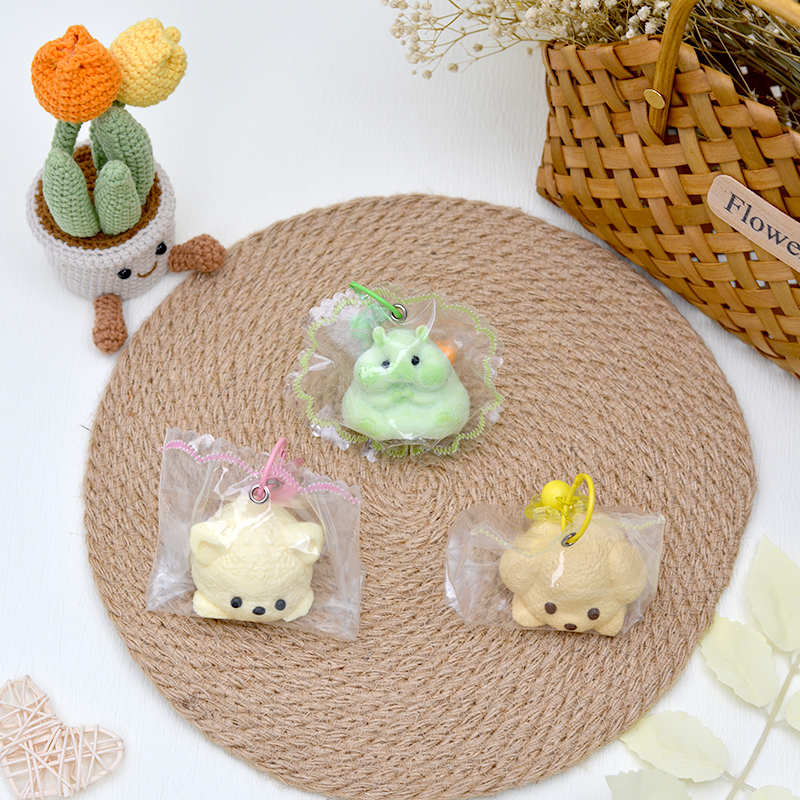
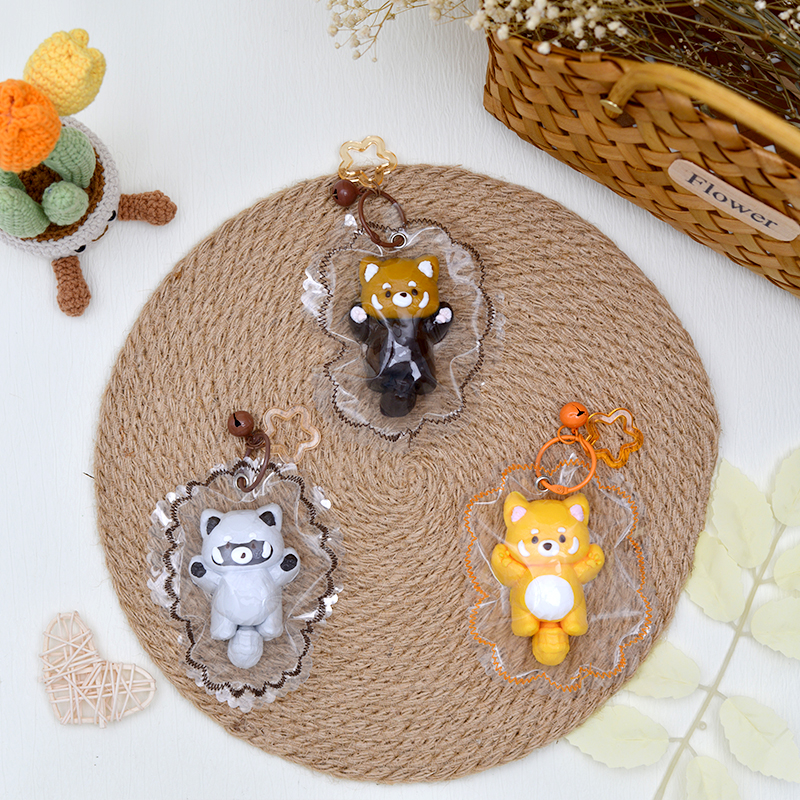
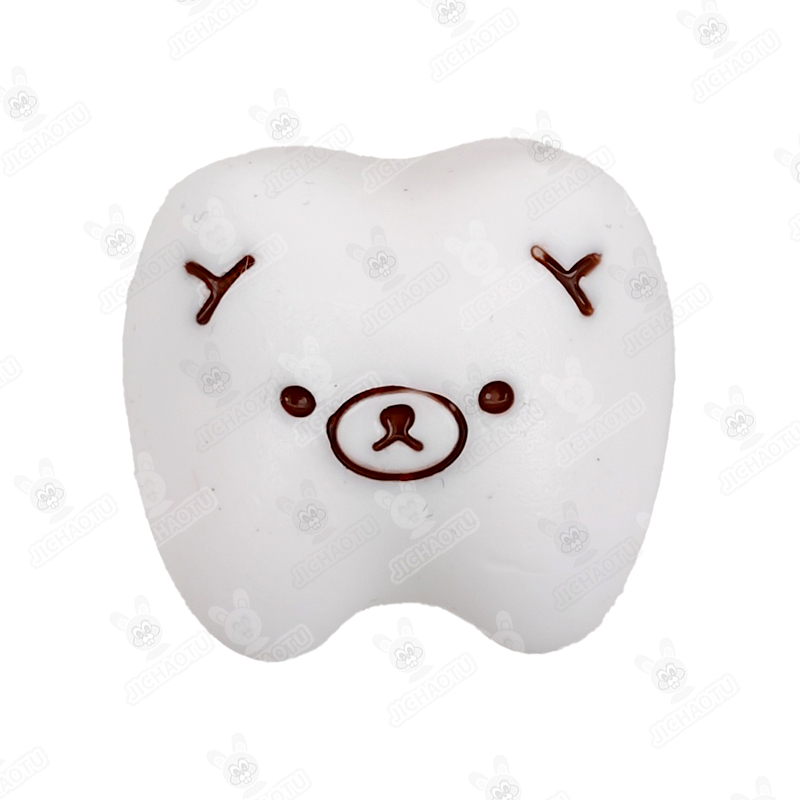 Relax Bear 1 SquishyMaterial:Food-grade SiliconeView Product →
Age Groups, Choking Risk and Realistic Use
Silicone itself is not an age restriction; the shape and the surrounding parts are. The same safe material can suit a nine-year-old and be wrong for a nine-month-old.
Babies and Toddlers
Under three years, no part that fits a small-parts cylinder may detach. That rules out glued eyes, removable clips and bead-filled shells. Plain one-piece silicone shapes with rounded edges are the safer choice, and play should still be supervised.
Children and Students
School-age users get the most value from a squishy as a quiet fidget aid during homework or reading time. The main risks here are hygiene and damage rather than chemistry: a torn seam or a cracked surface should end the toy's life.
Adults at Work
Desk toys are squeezed for hours, so surface quality matters more than size. A food-grade silicone pendant that wipes clean will outlast a foam ball that absorbs hand cream and dust.
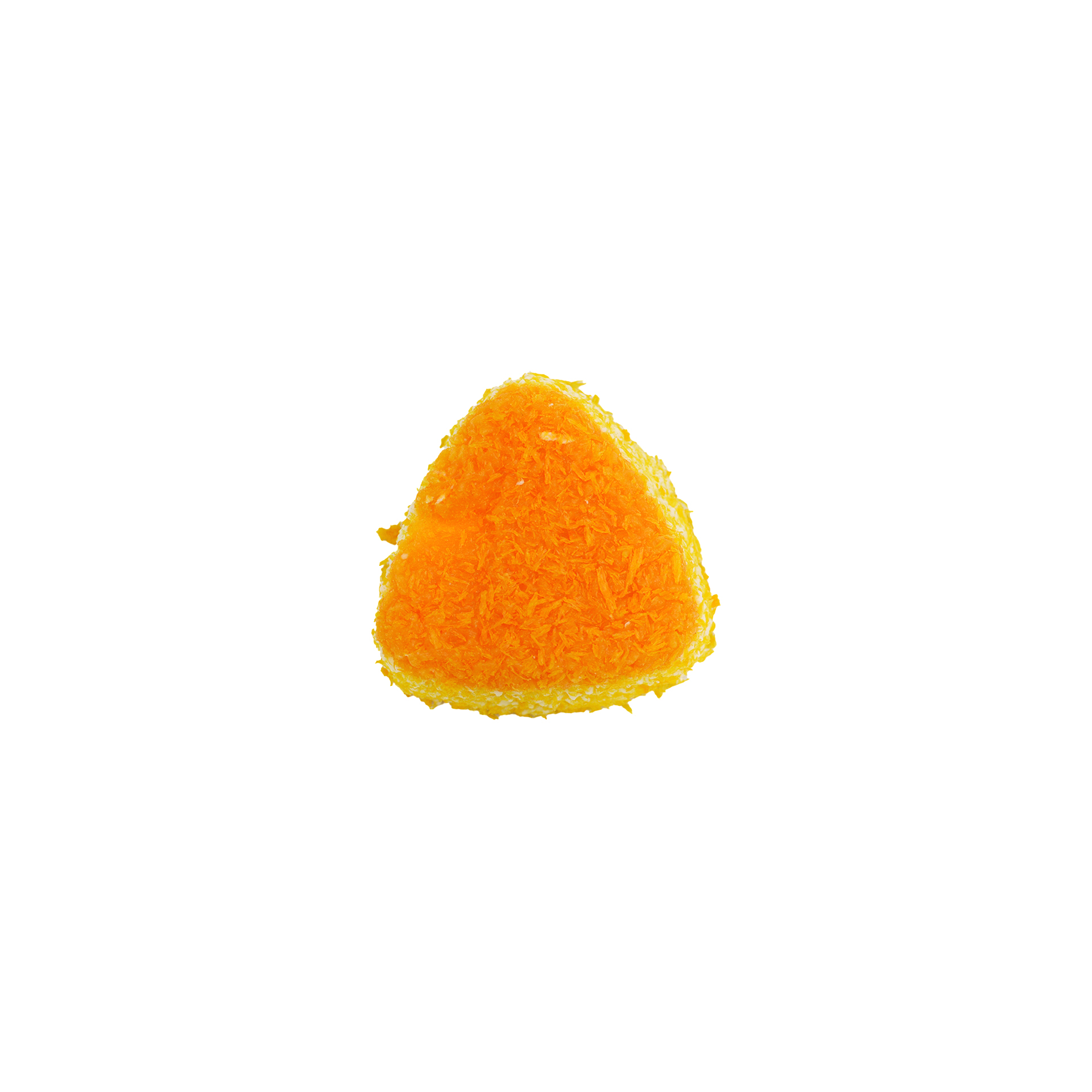 Fresh Rice Ball SquishyMaterial:Food-grade SiliconeView Product →
Warning Signs of an Unsafe Squishy Toy
Run through this checklist before buying. Any single red flag is a reason to walk away.
- A sharp chemical smell that does not fade after a day of airing out.
- An oily or sticky film that transfers to your hands, pointing to migrating plasticizer.
- A price far below the real cost of food-grade silicone.
- No manufacturer name, no batch code and no test report available on request.
- Paint that flakes at the edges or glued parts that twist off under light pressure.
- Vague claims such as "eco-friendly" or "non-toxic" with no standard named.
For a longer version of this checklist, see our safety and selection guide for squishy toys, which we use when auditing new suppliers ourselves.
Cleaning, Storage and When to Retire a Toy
Silicone tolerates more cleaning than most people expect, which is one reason we prefer it for everyday handling.
- Wash with warm water and mild soap, then air dry; skip alcohol and abrasive scrubbers.
- Keep toys out of direct sun and away from hot dashboards to slow surface ageing.
- Store separately from sharp objects that can nick the surface.
- Retire any toy with a torn seam, exposed filler, cracked paint or persistent smell.
How We Handle Safety as a Squishy Toy Manufacturer
Jinhua Nakdas Toys Co., Ltd., the team behind squishytoysfactory.com, has produced slow-rising toys since 2015 from our factory in Yiwu, Zhejiang. The site covers about 10,000 square meters and employs more than 800 people, which lets us control mold making, curing, assembly and final inspection under one roof instead of splitting them across subcontractors.
Our brand, Jichao Rabbit, is built on food-grade silicone that meets FDA, LFGB and SGS requirements. Every series is checked against ISO 9001, CCC, EUTEST, CPC and BSCI expectations, and each batch goes through physical performance tests, chemical analysis and durability testing before packing. We document that process so buyers can verify it rather than take our word for it.
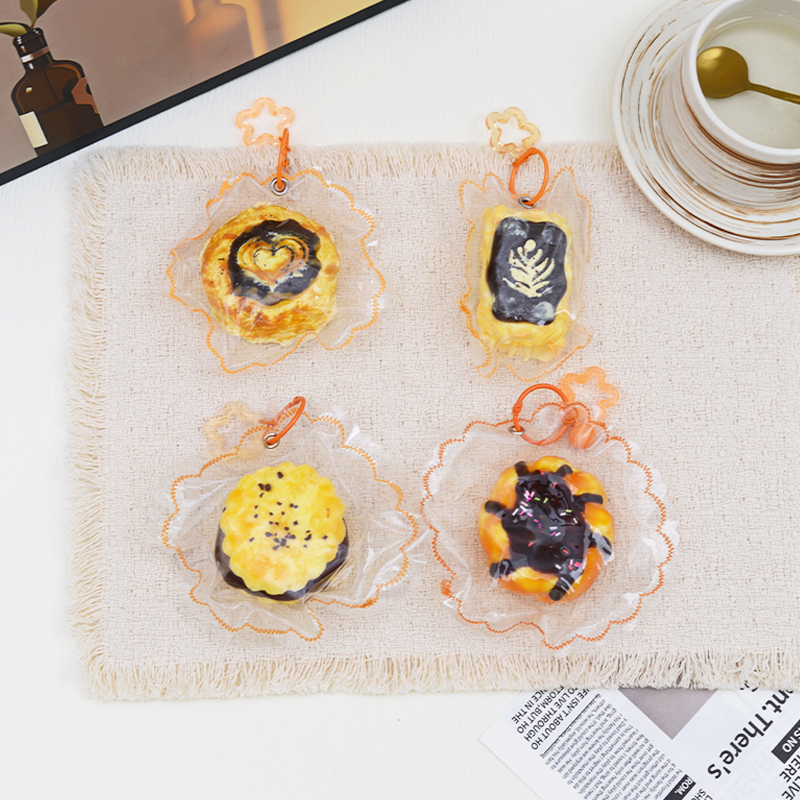
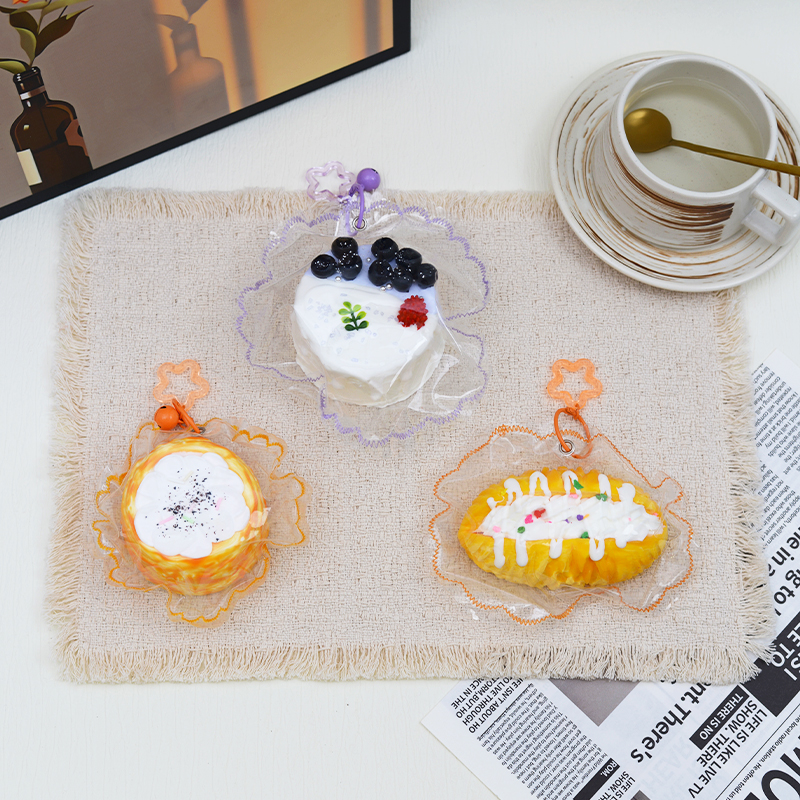
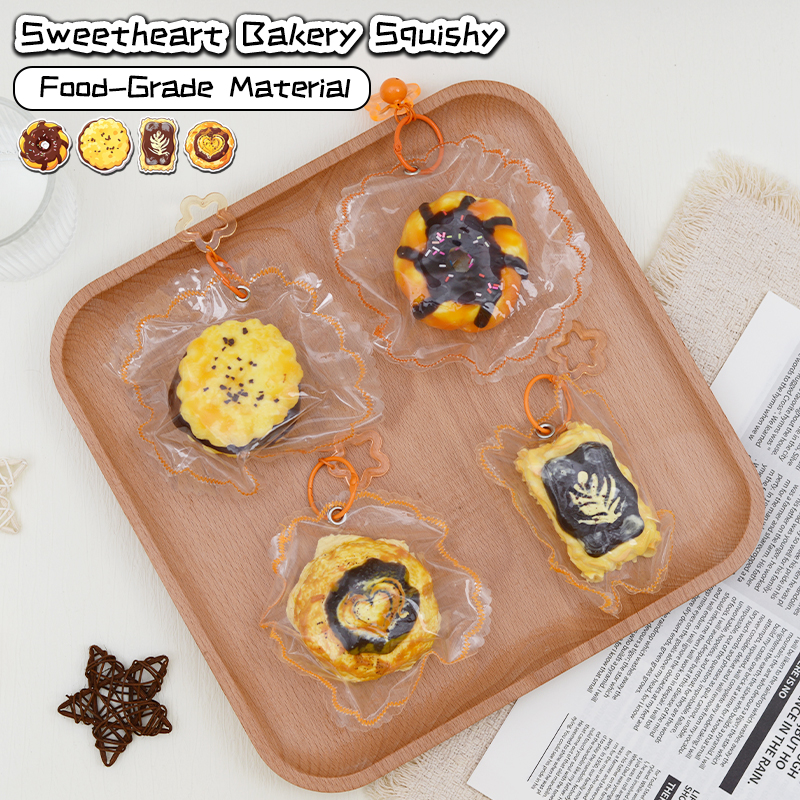 Afternoon Bakery SquishyMaterial:Food-grade SiliconeView Product →
Quick Answers for Parents and Buyers
Is food-grade silicone safe for children?
Yes. It contains no plasticizers and stays stable at everyday temperatures, which is why it is widely used for teethers and baby tableware. The material is safe; the design still has to pass small-parts and pull tests.
Why do some squishy toys smell like plastic?
Usually because they are TPR, PU foam or plasticized PVC rather than silicone. A faint smell may fade after airing out; a strong one that lingers for days suggests low-grade raw material.
Can squishy toys be washed?
Solid silicone toys can be washed with mild soap and water. Foam and gel-filled toys cannot, because moisture gets trapped inside and encourages mold.
Do certifications guarantee safety?
They confirm that one sample passed one set of tests. Batch consistency, factory discipline and honest documentation are what keep that result true over time.
So, are silicone squishy toys safe? Made from genuinely food-grade silicone, properly cured, tested and free of detachable small parts, they rank among the safer soft toys available, for children's play, classroom fidgeting and long hours at a desk. The variable is not the material but the maker behind it.
If you are sourcing for a retail chain, a gift program or an office-wellness order, we are glad to share material certificates, lab reports and samples from our animal, dessert and food series so you can judge the quality first hand. Send us your specification and target market, and our team will reply with a clear quote and realistic lead times.