
 English
 中文简体
中文简体 日本語
日本語 한국어
한국어 Español
- Type:
- Industry News
- Date:
- 2026-Sep-25
Content
- 1 Why Silicone Squishies Get Dirty So Quickly
- 2 The Everyday Routine: A Five-Minute Wash
- 3 Deep Cleaning for Sticky or Grimy Squishies
- 4 What to Avoid When Cleaning Silicone Squishy Toys
- 5 Drying and Storing So They Stay Soft
- 6 How Often Should You Clean Them?
- 7 Cleaning Tips for Kids, Desks and Classrooms
- 8 Quick Troubleshooting
- 9 Final Thoughts
Silicone squishy toys are meant to be squeezed, carried and fidgeted with, which is exactly why they pick up so much grime. Dust, skin oil, hand cream, crumbs and pocket lint all end up on the surface, and over time that film makes a squishy look dull and feel strangely tacky. The good news is that food-grade silicone is one of the most forgiving toy materials to wash. The important part is washing it the right way, because the wrong method can permanently ruin the soft, slow-rebound finish people love.
We are a squishy toy manufacturer based in Yiwu, China, producing food-grade silicone slow-rebound toys for importers, brand owners and gift distributors around the world. Cleaning is one of the questions our partners ask about most often, so this guide covers the routine we recommend to them, and to the families, students and office teams who use these toys every day.
Why Silicone Squishies Get Dirty So Quickly
Silicone is dense and non-porous, so it does not soak up water the way foam toys do. That is good news for cleaning, because dirt sits on the surface instead of sinking into it, which means most marks can be reversed. It helps to understand how squishy toys are manufactured and what materials make them, since foam, gel and silicone each need a completely different approach.
The trade-off of a smooth silicone surface is a slight natural tackiness. It grabs lint, pet hair and airborne dust. Every time a toy is handled, a thin layer of skin oil, sunscreen or lotion transfers onto it, and that layer traps even more dust. In dessert and food designs, powder and crumbs collect in the small grooves and toppings that give the toy its detail. Left alone, that build-up turns the surface cloudy and greasy, and it gives bacteria a place to settle.
The Everyday Routine: A Five-Minute Wash
For regular upkeep, mild soap and lukewarm water are all you need. Work over a bowl or at the sink so a slippery toy does not end up on the floor.
- Dust it dry first. Wipe the surface with a soft clean cloth or run a lint roller over it, so dry dust does not turn into a muddy film once it gets wet.
- Fill a bowl with lukewarm water and add one or two drops of mild dish soap. Hot water is not helpful here.
- Wash the whole surface with your fingertips or a soft sponge for twenty to thirty seconds. Knead gently and let the soap do the work instead of twisting or stretching the toy.
- Rinse under lukewarm running water until the surface no longer feels slippery. Soap residue is the number one cause of that sticky feeling after washing.
- Pat dry with a clean microfiber towel, then let the toy air-dry in the shade for twenty to thirty minutes before storing it.
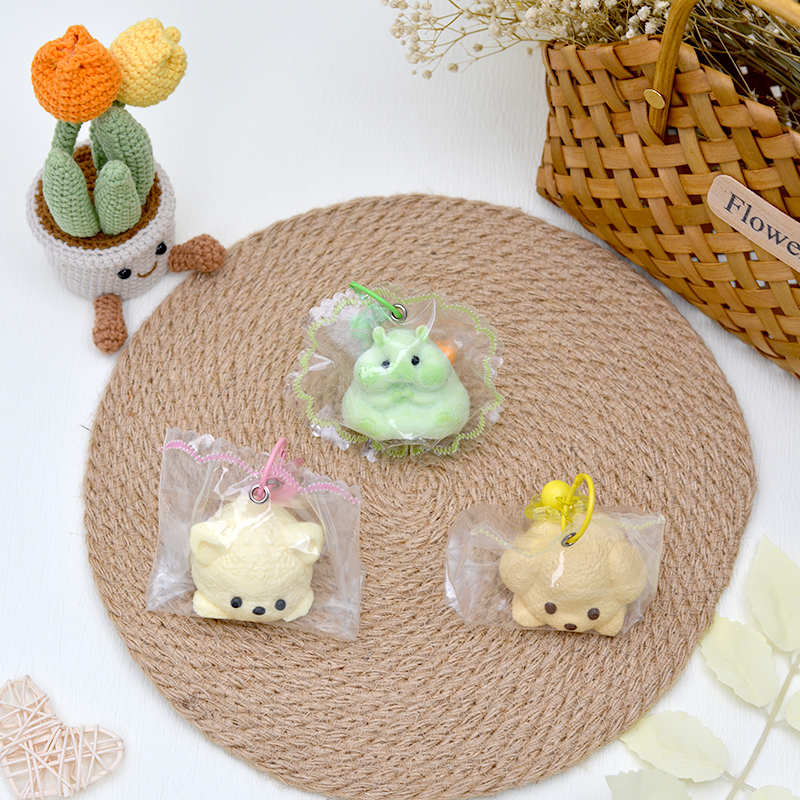
Rounder, smoother models are the easiest to keep clean because they have fewer places for dust to hide. Simple animal shapes wipe down in well under a minute and dry quickly, which makes them practical for desks and dorm rooms where a full wash is not always convenient.
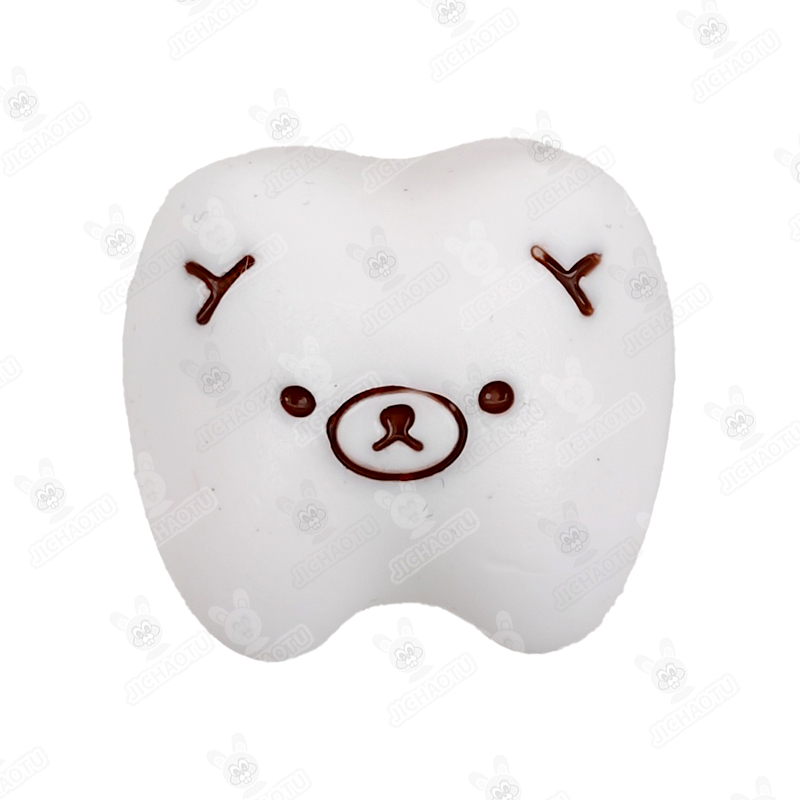 Relax Bear 1 SquishyMaterial:Food-grade SiliconeView Product →
Deep Cleaning for Sticky or Grimy Squishies
When a toy has been handled daily for months, or has been sitting on a shelf collecting dust, a quick wash may not be enough. This deeper routine takes about fifteen minutes and restores most surfaces.
- Soak the toy in lukewarm water with a drop of mild soap for about ten minutes to soften dried residue.
- Mix two tablespoons of baking soda with a little water to make a soft paste, then rub it gently onto oily or gray patches with your fingertips.
- Work the small grooves with a soft-bristle toothbrush using light pressure. This is the safest way to lift dust out of ears, sprinkles and folds.
- Rinse thoroughly under lukewarm water and check the surface. If it still feels greasy, repeat the paste and brushing once.
- To sanitize, use a diluted white vinegar solution of one part vinegar to four parts water, or a toy-safe cleaner labeled for silicone. Leave it for no more than a minute, then rinse well.
- Dry completely, including any hollow areas, before storing. Moisture sealed inside a pouch is what creates that musty smell.
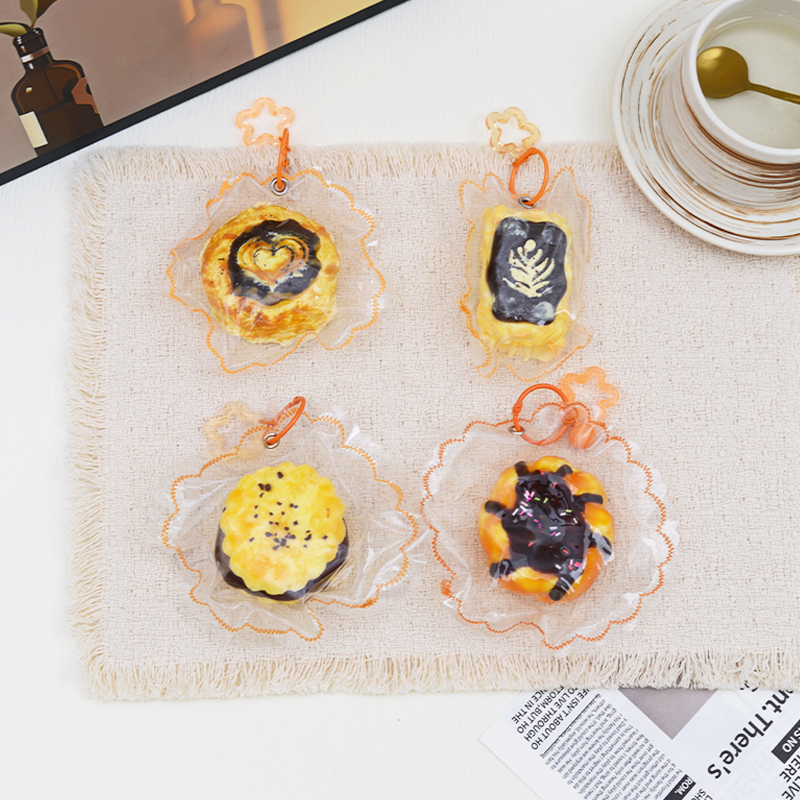
Highly detailed designs collect the most dust and benefit most from this routine, because their textured surfaces have plenty of nooks to brush out.
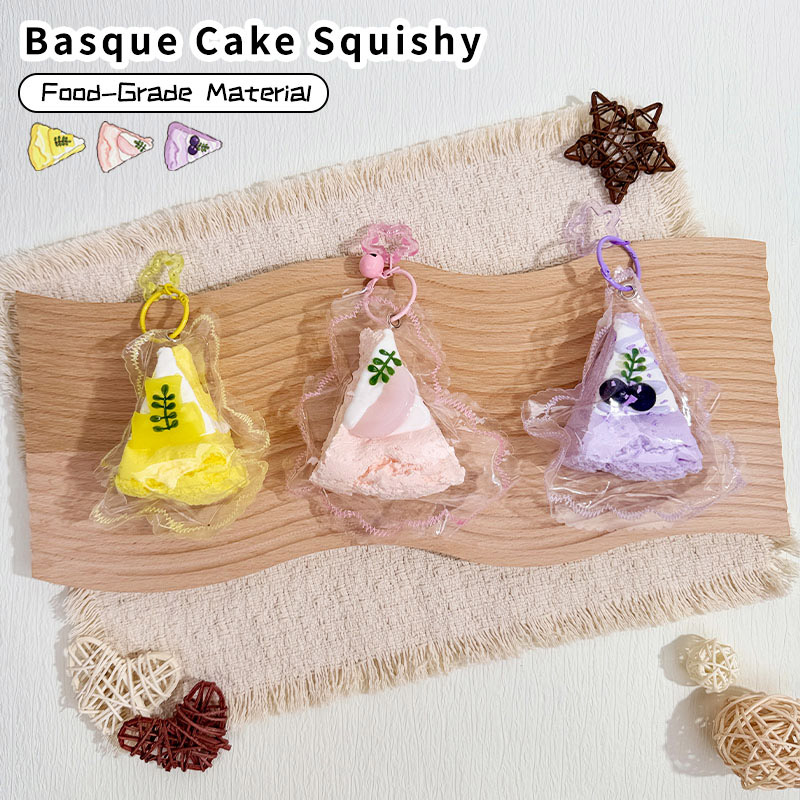 Basque Cake Squishy ToyMaterial:Food-grade SiliconeView Product →
What to Avoid When Cleaning Silicone Squishy Toys
Most of the damaged samples we see were harmed by cleaning rather than by play. These are the methods to keep away from any food-grade silicone toy.
| Method or product | Why it is risky | Use instead |
|---|---|---|
| Boiling water or steam sterilizing | Heat softens the surface and can distort the shape | Lukewarm water with mild soap |
| Dishwasher | High heat and harsh detergent degrade the finish | Hand wash at the sink |
| Bleach or chlorine cleaners | Leaves residue and can discolor the silicone | Diluted white vinegar, well rinsed |
| Alcohol, acetone, nail polish remover | Dries the surface and leaves it chalky | Soap and water |
| Scouring pads and hard brushes | Scratches the surface and creates dull patches | Soft sponge or soft toothbrush |
| Washing machine and dryer | Tumbling stretches seams and shifts the filling | Hand wash only |
| Direct sun or a hot hair dryer | Heat and UV cause yellowing and hardening | Shade drying at room temperature |
Drying and Storing So They Stay Soft
How a squishy is dried and stored matters as much as how it is washed. A few simple habits keep the slow-rebound feel intact for years.
- Air-dry on a clean towel in the shade, away from radiators and direct sunlight.
- Never put a damp toy into an airtight bag; let it breathe first.
- Store it in a small zipper pouch or dust bag rather than loose in a backpack full of keys and pens.
- Keep it away from fresh ink, printed newspaper and dark denim, since silicone can pick up dye transfer.
- Avoid stacking heavy objects on stored squishies, which can leave flat spots in the filling.
Slim, flat designs pack and dry easily, which is one reason food-inspired shapes are popular with people who carry a fidget in a pencil case or travel pouch.
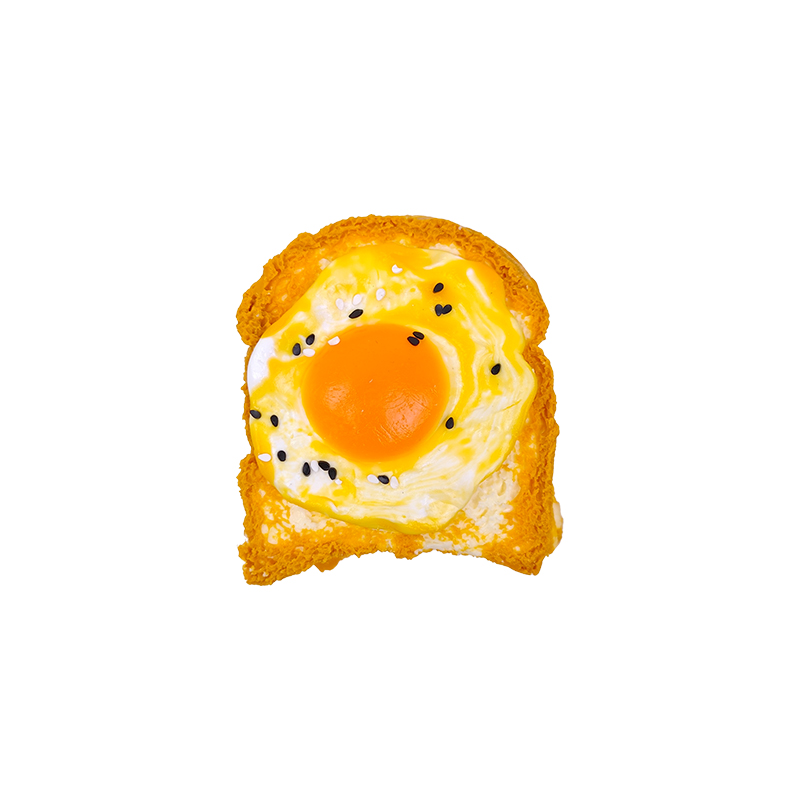 Warm Baked Toast SquishyMaterial:Food-grade SiliconeView Product →
How Often Should You Clean Them?
There is no single answer, because a toy that lives on a desk is handled very differently from one that sits on a display shelf. As a simple rule, the more hands, the more often.
| Where it lives | Quick wash | Deep clean |
|---|---|---|
| Children's toy box | Every 2 to 3 days | Weekly |
| Office desk | Weekly | Monthly |
| School bag or dorm room | Weekly | Monthly |
| Pocket fidget, carried daily | Every 2 to 3 days | Every 2 weeks |
| Display shelf, rarely touched | Dust every 2 to 3 weeks | Every 2 to 3 months |
Cleaning Tips for Kids, Desks and Classrooms
- For young children, wash after outdoor play and keep a second toy in rotation so one can dry fully. Skip fragranced cleaners, which can irritate sensitive skin.
- For office desks, a weekly five-minute wash is usually enough, and a small pouch keeps the toy off the keyboard.
- For classrooms and therapy rooms, assign each squishy to one user where possible and wipe the surface with a damp soapy cloth between sessions.
Quick Troubleshooting
The surface feels sticky after washing
This is almost always leftover soap. Rinse again in lukewarm water, rub the surface lightly with your fingers, and dry with a clean towel. A baking soda paste followed by a thorough rinse usually solves stubborn cases.
Lint is trapped in the small grooves
Let the toy dry completely, then loosen the fibers with a soft dry toothbrush before washing. Rinsing lint out of a wet, tacky surface rarely works.
The color looks cloudy or dull
A greasy film from hand oil is the usual cause, and a deep clean with baking soda paste brings the color back. If the surface looks chalky and white instead, it has been scratched by an abrasive pad, and that damage cannot be polished out.
Can I use hand sanitizer or wet wipes?
Alcohol-based products are best avoided on silicone. They evaporate quickly, dry the surface and leave it rough over time. Soap, water and a soft cloth remain the safest combination.
Final Thoughts
Cleaning a silicone squishy toy takes a few minutes and two ingredients: mild soap and lukewarm water. Dust it dry, wash it gently, rinse until it is no longer slippery, and let it dry in the shade. Avoid heat, alcohol and abrasive pads, and the soft slow-rebound feel will outlast the trend that brought it home.
If you are sourcing food-grade silicone squishy toys for a retail, gift or wellness program, we would be glad to talk. Our factory in Yiwu produces slow-rebound animal, dessert and food designs under strict material and testing standards, and we are happy to share care instructions you can pass on to your own customers. Feel free to browse our squishy toy collections or send us your ideas.