
 English
 中文简体
 日本語
 한국어
 Español

- Type:
- Industry News
- Date:
- 2026-Oct-21
Content
- 1 Are Squishy Toys Good for Your Brain? The Direct Answer
- 2 What Squishy Toys Are Made Of
- 3 How Tactile Input Connects to the Brain
- 4 Are Squishy Toys Good for Your Brain: What the Evidence Supports
- 5 Recovery Speed: Why It Changes the Experience
- 6 Material Comparison for Squishy Toys
- 7 Hardness Ranges That Shape the Feel
- 8 Design Factors That Make Squishy Toys Better for Focus
- 9 Suitability by Age Group
- 10 Where Squishy Toys Fit Into Daily Life
- 11 How a Factory Builds Squishy Toys
- 12 Safety and Testing for Squishy Toys
- 13 Troubleshooting Common Squishy Toys Problems
- 14 Cleaning and Care
- 15 Product Range Overview
- 16 Custom Squishy Toys Development
- 17 Common Myths About Squishy Toys and the Brain
- 18 Practical Routines for Using Squishy Toys
- 19 Frequently Asked Questions About Squishy Toys
- 19.1 Are squishy toys good for your brain?
- 19.2 Do squishy toys help with anxiety?
- 19.3 Can squishy toys improve concentration?
- 19.4 What material is best for slow, relaxing squeezing?
- 19.5 Are squishy toys safe for children?
- 19.6 How long should one squeezing session last?
- 19.7 Why do some squishy toys smell strong?
- 19.8 How do I clean squishy toys?
- 19.9 Can squishy toys be customized with our own design?
- 19.10 What makes high-quality squishy toys different?
- 19.11 Start Your Squishy Toys Project
Are Squishy Toys Good for Your Brain? The Direct Answer
Squishy toys are good for your brain in a specific and limited way: they help regulate attention and emotional arousal through repeated, predictable tactile input. They do not raise intelligence, and they do not improve memory. When people ask "are squishy toys good for your brain", the most accurate answer is that squishy toys act as a state-regulation tool. A person who feels restless, tense or overstimulated can use squishy toys to shift toward a calmer, more focused state within a few minutes.
This guide is written from the viewpoint of a squishy toys manufacturing factory. We design molds, blend foam and gel formulas, run production lines and test finished products every week, so the explanations below combine sensory science with practical material and design knowledge. You will find material comparisons, recovery-time curves, hardness ranges, safety testing details, product categories and answers to the questions people ask most often.
2–8 sTypical recovery time of slow-rise PU squishy toys
4 typesMain material families used in squishy toys
3–8 minSuggested length of one squeezing break
12–20 daysTypical sampling window for a custom squishy toys design
What Squishy Toys Are Made Of
Squishy toys are hand-sized objects that deform under finger pressure and return to shape afterward. The feel is controlled by three variables: the base material, the internal structure and the surface skin. A factory adjusts all three to reach the hand feel a design needs. Four material families cover most of the squishy toys on the market.
Slow-Rise PU Foam
Polyurethane foam with a fine open-cell structure. When compressed, air leaves the cells gradually, and when released the cells refill slowly. This produces the slow, sinking recovery that many people associate with classic squishy toys. The surface is usually painted or coated to give a soft matte finish.
TPR Soft Rubber
Thermoplastic rubber is injection molded into solid or hollow forms. TPR squishy toys recover quickly, feel elastic and can be stretched without tearing. They suit animal figures, mochi shapes and textured designs because molds reproduce fine detail well.
Silicone
Silicone squishy toys have a smooth, dense feel and stable resistance. The material tolerates a wide temperature range, is easy to wipe clean and keeps its color well. Silicone is a common choice for toys meant for younger users, provided the grade meets the relevant safety rules.
Gel and Dough Filled Skins
A stretch skin of TPU, TPR or fabric is filled with gel, starch dough or tiny beads. These squishy toys flow under the fingers and hold the shape you press into them. They produce the strongest sense of movement, but they need careful seam and skin design to avoid leaks.
How Tactile Input Connects to the Brain
The hands are among the most sensor-dense parts of the body. The fingertips and palms contain thousands of touch receptors, and the brain devotes a large area of its sensory cortex to processing signals from them. Pressing a squishy toy produces a continuous stream of information about pressure, deformation and recovery. The signal is predictable, which matters because predictable input is easier for the nervous system to process than random noise.
Occupational therapists have long used deep pressure and resistance to help people feel grounded. Squishy toys provide a light version of this input through the hands. When the pressure is rhythmic, the person often settles into a steady pattern of breathing and movement. This is the mechanism behind the common report that squishy toys help people feel calmer.
What Happens During a Squeezing Break
1
Attention shifts. The repeated hand movement gives the mind a simple task, which can interrupt a loop of worry or restlessness.
2
Muscle tension is released. Gripping and letting go relaxes the forearm and hand muscles that tighten during typing, writing or stress.
3
Rhythm settles. Many people match their breathing to the squeeze and release pattern, which lowers the pace of the body.
4
Focus returns. After a few minutes, the person puts the toy down and goes back to the task with a more even level of alertness.
Are Squishy Toys Good for Your Brain: What the Evidence Supports
The honest reading of current research is mixed, and a clear explanation protects users from false expectations. Studies on fidget tools, a category that includes squishy toys, point in several directions. Some report that low-intensity hand movement helps people who struggle to stay seated and attentive. Others find that the toy itself can become a distraction, especially when it is colorful, noisy or requires visual attention.
Where Support Is Strongest
Short-term stress relief, a feeling of calm after use, and help with restlessness during passive tasks such as listening, waiting and reading. Self-reported benefit is common.
Where Evidence Is Mixed
Sustained attention during demanding mental work. The result depends on the person, the task and the design of the squishy toys. Quiet, visually plain designs perform better than novelty designs.
Where No Proof Exists
Raising IQ, strengthening memory or treating attention disorders. Squishy toys are not therapy and should not replace professional assessment.
So, are squishy toys good for your brain? They are useful for regulating how the brain feels and behaves in the moment. That is a real and practical benefit, and it is the benefit that product design should aim to deliver.
Recovery Speed: Why It Changes the Experience
Recovery speed is one of the most important design parameters in squishy toys. A slow recovery invites patient, meditative pressing. A fast recovery invites quick, rhythmic squeezing. The chart below shows illustrative recovery curves based on typical samples tested in our factory after a full compression held for two seconds. Real values change with density, skin coating, temperature and toy thickness.
Recovery Curve After Full Compression
Vertical axis shows the percentage of original shape recovered. Curves are illustrative factory test examples.
Choosing a Recovery Speed for a Purpose
- Slow-rise PU squishy toys suit quiet, mindful pressing during breaks, reading or bedtime routines.
- Medium recovery suits desk use, where the person wants some feedback without waiting for the shape to return.
- Fast recovery in TPR or silicone suits repeated squeezing, hand exercise and active fidgeting.
Material Comparison for Squishy Toys
The table below compares the main material families on the points that matter most for hand feel, durability and care. Use it to match a material to the intended user and environment.
| Material | Hand Feel | Recovery | Durability | Surface Care | Best For |
|---|---|---|---|---|---|
| Slow-rise PU foam | Soft, airy, sinking | 2–8 seconds | Medium | Wipe dry, avoid soaking and long sun exposure | Quiet desk use and relaxation |
| TPR soft rubber | Elastic, stretchy | Under 1 second | High | Wipe with mild soap, keep away from dust | Detailed figures and active squeezing |
| Silicone | Smooth, dense, steady | 1–2 seconds | Very high | Washable and easy to disinfect | Frequent use and younger users |
| Gel or dough filled skin | Flowing, moldable | Slow to none | Medium to low | Keep away from sharp objects and heat | Sensory play and strong tactile feedback |
Hardness Ranges That Shape the Feel
Hardness is measured on the Shore scale. For soft products such as squishy toys, factories commonly work on the Shore 00 scale, where lower numbers mean a softer toy. The ranges below are typical target windows for finished products, and they can be tuned to a project requirement.
Shore 00 scale, approximate target ranges. Lower values feel softer.
A toy under 25 on this scale feels almost liquid, and the hand sinks deeply. Between 30 and 50 the toy gives clear but gentle resistance, which most users describe as comfortable for long sessions. Above 60 the toy begins to feel firm and works better as a hand strengthening tool than as a soft relaxation tool.
Design Factors That Make Squishy Toys Better for Focus
Whether squishy toys support concentration depends heavily on design. A toy that demands attention works against the user. A toy that fades into the background helps. These are the design choices we review in every development project.
Size and Weight
A diameter of 5 to 8 cm fits an adult palm, and a weight of 20 to 60 grams feels secure without tiring the hand. Larger jumbo squishy toys of 10 cm and above suit two-handed pressing and sensory rooms.
Surface Texture
Matte, lightly textured skins give clear feedback and do not slip. Glossy, sticky surfaces attract dust and distract the user. Fine dot textures and soft ridges add interest without visual noise.
Sound
Silent operation is essential for classrooms, offices and meetings. Foam and silicone squishy toys are naturally quiet. Designs with squeakers or crinkle films belong in play settings, not focus settings.
Color and Shape
Calm, low-saturation colors and simple shapes keep attention on the task. Highly detailed characters invite staring. For work and study, a rounded form such as a cloud, mochi or pebble shape performs better than a complex figure.
Scent
A strong chemical smell is a sign of poor curing or low-grade coating. Quality squishy toys have little or no odor after airing. Light, stable fragrance can be added to custom designs when the application suits it.
Skin Strength
Tear resistance protects the toy from fingernails and frequent compression. Reinforced seams and balanced wall thickness extend life, especially for gel-filled and dough-filled squishy toys.
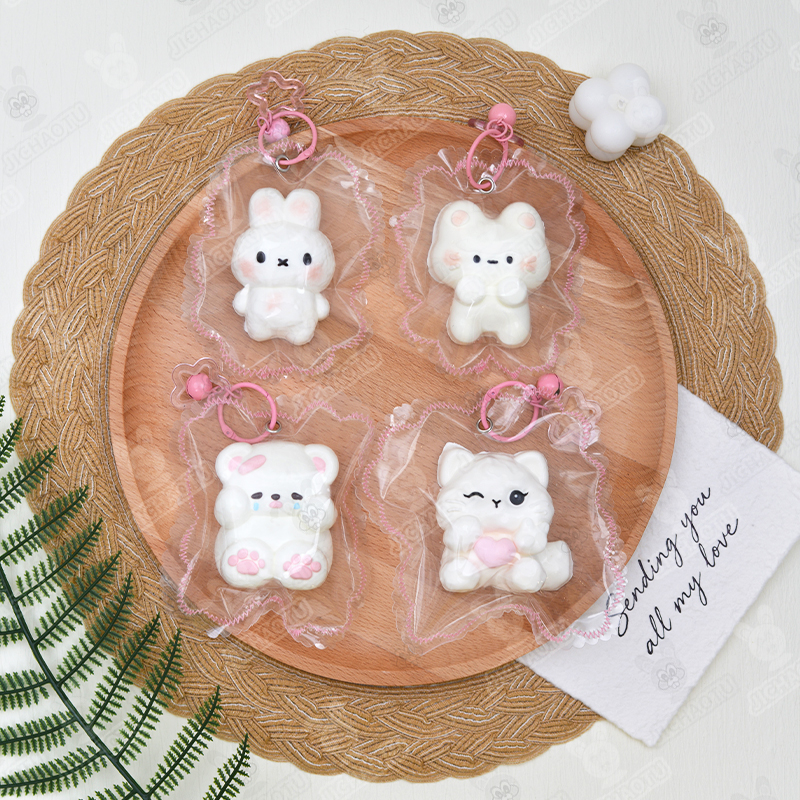
Animal Squishy Toys
Cloud Pet Squishy
Rounded, milky white pet shapes in a soft pink palette, which is the kind of calm form and low-saturation color that keeps attention on the task instead of the toy. Four styles are available: Pink Ear Bunny, Pink Heart Bear, Pink Braid Cat and Pink Tail Bunny. The food-grade silicone gives a smooth press and a steady slow rebound, and each piece has a hanging hole for a bag or key ring.
- Material: Food-grade silicone
- Styles: 4
- Size: 73–79 mm long
Suitability by Age Group
Squishy toys are used by children, teenagers and adults, but each group has different needs and risks. The guide below describes how factories usually adapt design and testing for each age band.
| Age Group | Recommended Types | Design Focus | Cautions |
|---|---|---|---|
| Under 3 years | Large silicone shapes without removable parts | Oversized form, no small pieces, high tear resistance | Adult supervision is required; avoid foam that can be torn and swallowed |
| 3 to 7 years | Soft TPR animals, large slow-rise PU shapes | Bright but simple shapes, rounded edges | Check age labeling and small-part rules |
| 8 to 12 years | Slow-rise PU, dough-filled and mochi shapes | Collectible themes, soft colors, medium size | Teach children not to bite or pull the skin apart |
| Teenagers | Quiet PU shapes, silicone pebbles | Minimal design, desk-friendly size | Keep use to breaks during study |
| Adults | Medium-firm TPR, silicone, weighted designs | Calm look, steady resistance, easy cleaning | Stop if hand pain or fatigue appears |
Where Squishy Toys Fit Into Daily Life
Office and Home Desk
A quiet palm-sized toy sits beside the keyboard. Between emails or calls, a one-minute squeeze breaks the tension that builds in the hands and shoulders. Soft pastel squishy toys blend into a desk setting without looking like a distraction.
Classroom and Study
For students who struggle to sit still, a small silent toy kept below the desk can help during listening tasks. It should stay out of sight and out of play during tasks that need full concentration, such as exams or problem solving.
Travel and Waiting
Flights, queues and long commutes produce idle tension. Compact squishy toys fit in a pocket and give a calm focus point. Silicone designs hold up well in a bag.
Sensory Rooms and Calm Corners
Families, schools and care settings use a mix of textures and sizes to create a calming corner. Jumbo slow-rise squishy toys and gel-filled shapes offer varied input and work well in supervised settings.
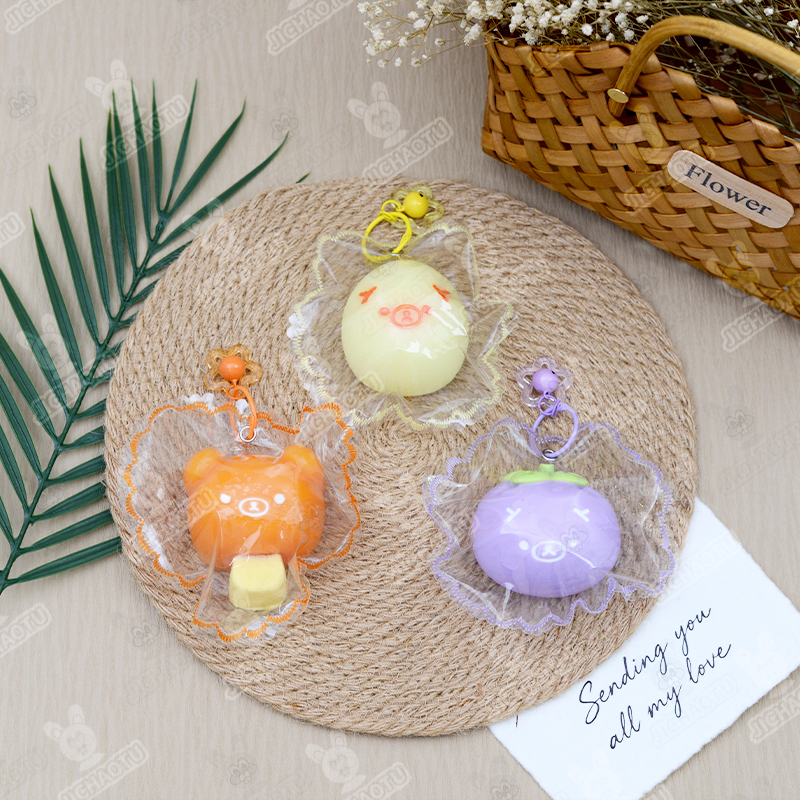
Animal Squishy Toys
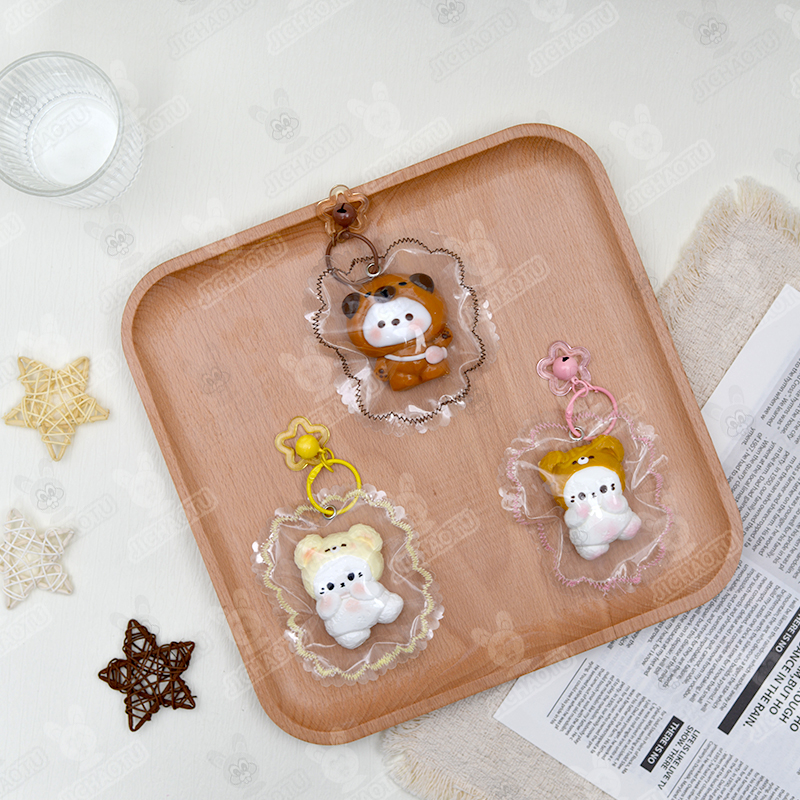
Relax Bear 3 Squishy
A palm-sized pick for the desk, the study table or the school bag. Each bear sits inside the 5 to 8 cm range that fits an adult hand, so a one-minute squeeze between emails or lessons feels natural. Choose from Orange Relax Bear, White Relax Bear and Purple Mangosteen Bear. The silicone is soft, bouncy and slow to rebound, can be rinsed with water, and does not shed crumbs the way ordinary foam can. A flower-shaped keychain charm is included.
- Material: Food-grade silicone
- Styles: 3
- Size: 62–68 mm
How a Factory Builds Squishy Toys
Understanding production helps explain why quality varies so much between products that look similar. The process below is the path a custom squishy toys design follows inside our factory.
1
Concept and drawing. The design is reviewed for shape, size, wall thickness and detail level. Features that cannot be molded cleanly are adjusted before tooling begins.
2
Mold development. Steel or aluminum molds are machined to match the approved model. Mold quality controls edge cleanliness, surface texture and consistency across batches.
3
Formula selection. Foam density, TPR hardness or silicone grade is selected to reach the target recovery speed and hand feel. Small test pieces confirm the choice.
4
Forming and curing. Foam is poured or compressed in the mold and cured under controlled temperature. Injection products are molded and cooled to hold their shape.
5
Finishing. Pieces are trimmed, painted, coated or printed. Coating thickness is checked because it affects both softness and surface durability.
6
Testing and packing. Samples are checked for size, weight, hardness, recovery speed, odor and appearance, then packed in protective packaging.
- Design confirmation, about 15%
- Mold development, about 30%
- Sampling and adjustment, about 20%
- Production, about 25%
- Quality check and packing, about 10%
Safety and Testing for Squishy Toys
Because squishy toys are handled constantly, often by children, material safety is not optional. A responsible factory tests raw materials and finished toys against the rules of the market where the product will be sold. The table lists the common test areas.
| Test Area | What Is Checked | Common Reference Rules |
|---|---|---|
| Mechanical and physical | Small parts, sharp edges, tear strength, seam strength | EN 71-1, ASTM F963, ISO 8124-1 |
| Chemical migration | Heavy elements in coatings and materials | EN 71-3, ISO 8124-3 |
| Plasticizers | Restricted phthalates in soft plastics | REACH, CPSIA limits |
| Substances of concern | Restricted chemicals in finished goods | REACH and regional rules |
| Flammability | Burning behavior of toy materials | EN 71-2, ASTM F963 |
| Odor and appearance | Residual smell, color fastness, surface defects | Internal inspection standards |
Warning Signs of Poor-Quality Squishy Toys
- A sharp chemical smell that does not fade after several days of airing.
- A sticky, tacky surface that leaves residue on the hands.
- Paint that rubs off on fingers or cloth.
- Skin that tears at light fingernail pressure.
- Foam that stays crushed or crumbles after repeated pressing.
Troubleshooting Common Squishy Toys Problems
| Problem | Likely Cause | Practical Remedy |
|---|---|---|
| Surface turns yellow | Light, heat or oxidation of foam and coating | Store away from direct sun and heat sources |
| Surface feels sticky | Coating aging, skin oils or dust on TPR | Wipe gently with a damp cloth and mild soap, then dry fully |
| Toy loses shape | Foam fatigue after heavy use or compression in storage | Rotate between toys and avoid storing under weight |
| Fill leaks from a gel toy | Skin puncture or seam failure | Stop use, keep away from children and pets, and replace the toy |
| Odor remains | Incomplete curing or low-grade coating | Air in a ventilated place; discard if the smell persists |
Cleaning and Care
Good care extends the life of squishy toys and keeps the surface pleasant to touch. Most care rules are simple, but the right method depends on material.
Silicone and TPR
Wash with lukewarm water and mild soap, rinse and air dry on a clean towel. Avoid solvents and alcohol-heavy cleaners that can dull the surface or make TPR feel tacky.
PU Foam and Filled Skins
Wipe with a slightly damp cloth and dry immediately. Do not soak foam, because water trapped in the cells slows recovery and can cause odor. Do not put filled toys in heat or in a washing machine.
Product Range Overview
Our factory develops squishy toys in several families so each user group can find a suitable feel and function. The cards below describe the main categories and the situations they serve best.
Slow-Rise Foam Squishy Toys
Soft PU shapes such as fruit, desserts, clouds and animals. The slow recovery gives a relaxing sinking feel. Available in palm size and jumbo size with matte or lightly glossy finishes.
Mochi and Stretch Squishy Toys
Soft TPR and TPU pieces with a smooth, stretchy surface. They suit repeated squeezing and pulling and keep their shape for a long time.
Silicone Pebble and Stress Shapes
Dense, easy-to-clean forms with steady resistance. A good fit for desk use, travel and users who want a calm, minimal look.
Gel and Bead Filled Squishy Toys
Skins filled with soft gel or beads for strong visual and tactile interest. Designed with reinforced seams and sealed closures.
Scented Squishy Toys
Foam toys with controlled, low-level fragrance for gift and seasonal collections. Fragrance type and strength are tested for stability and comfort.
Themed Collection Sets
Matching series built around a story, season or character design. Sets can mix sizes and recovery speeds so one collection serves different use styles.
Typical Specification Window
| Parameter | Slow-Rise PU | TPR Mochi | Silicone | Gel Filled |
|---|---|---|---|---|
| Common diameter | 5–12 cm | 4–9 cm | 4–8 cm | 5–10 cm |
| Typical weight | 10–60 g | 20–90 g | 25–100 g | 30–120 g |
| Recovery | 2–8 s | Under 1 s | 1–2 s | Slow or none |
| Surface finish | Matte, glossy, painted | Smooth, frosted | Smooth, soft-touch | Clear, frosted, fabric |
| Color control | Painted or dyed | Pigment in material | Pigment in material | Pigment in skin or fill |
| Printing options | Spray, pad print | Pad print, texture | Pad print, embossing | Inner print, outer print |
Custom Squishy Toys Development
Custom projects start from a drawing, a photo, a sketch or only a product idea. Our engineers translate the concept into a manufacturable model, suggest the best material for the target feel and confirm details such as wall thickness, parting lines and surface texture. Small trial batches are available so a design can be tested before moving to larger production.
Shape and Structure
Solid, hollow, layered and filled structures can all be developed. Each structure changes how the toy feels under the hand. A hollow shell feels lighter and recovers faster, while a solid foam core feels fuller and slower.
Color and Finish
Colors can be matched to a reference swatch. Finishes include matte, satin, glossy, pearl and translucent effects. Low-saturation palettes work well for desk and focus uses.
Scent and Texture
Light fragrance, dotted texture, ridges and embossed patterns can be added to give the toy a unique tactile signature.
Packaging
Options include display boxes, blind bags, sealed pouches, window cartons and gift sets. Packaging is designed to protect the foam shape during transport and to present the toy clearly.
Typical Development Timeline
| Stage | Typical Duration | Output |
|---|---|---|
| Design review | 1–3 days | Confirmed drawing and material plan |
| Mold making | 7–12 days | Finished mold ready for trial |
| First sample | 3–5 days | Physical sample for hand feel review |
| Adjustment | 2–5 days | Revised hardness, color or detail |
| Production | 15–30 days | Finished toys according to project size |
Common Myths About Squishy Toys and the Brain
Myth: Squishy toys make you smarter
Fact: No evidence supports a gain in intelligence. The benefit is in regulating emotion and arousal, which can make focusing easier afterward.
Myth: Any squishy toy works for any task
Fact: Loud, bright or complicated squishy toys can distract. Quiet, simple designs suit focus tasks.
Myth: More squeezing means more relaxation
Fact: Short sessions work best. Long, tense squeezing can tire the hand and may increase tension.
Myth: Squishy toys replace treatment
Fact: They can support daily comfort. Ongoing anxiety or attention difficulties need professional evaluation.
Practical Routines for Using Squishy Toys
- Use a timer for a three to five minute break after every 45 to 60 minutes of focused work.
- Pair slow squeezing with slow breathing: press while breathing in for four counts, release while breathing out for six.
- Keep one toy for relaxation and a different one for active fidgeting so the hand learns the difference.
- Place the toy out of sight during tasks that need full attention.
- Swap between hands to reduce fatigue on one side.
- Replace toys that crack, leak or lose their rebound.
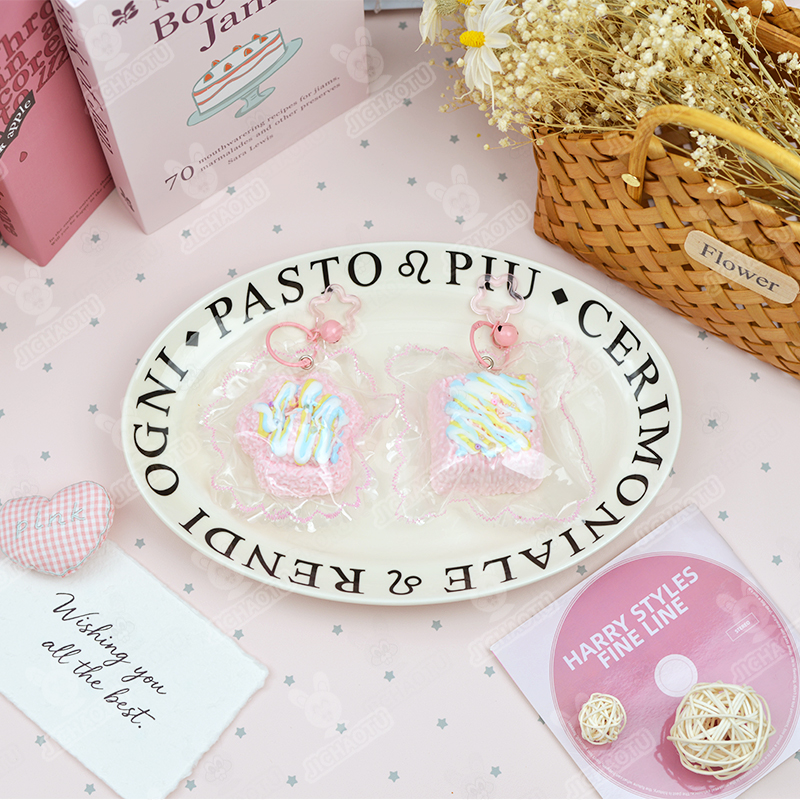
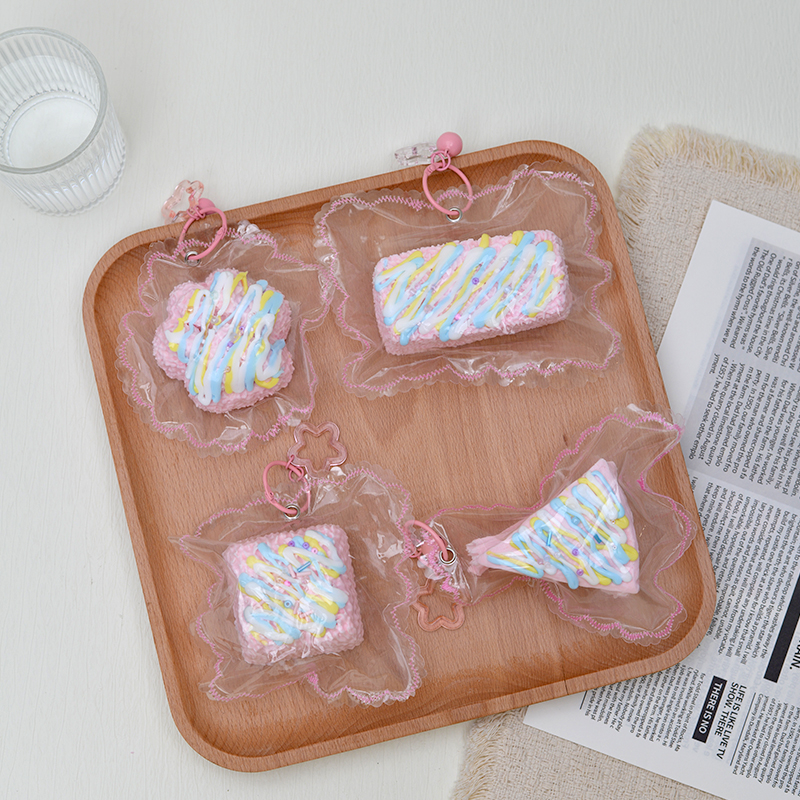
Dessert Squishy Toys
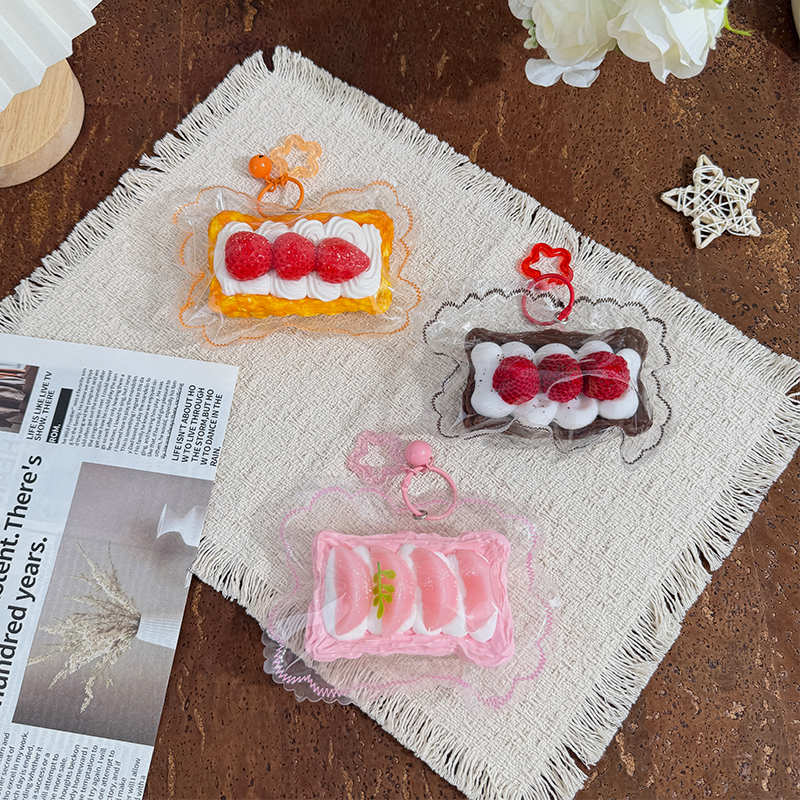
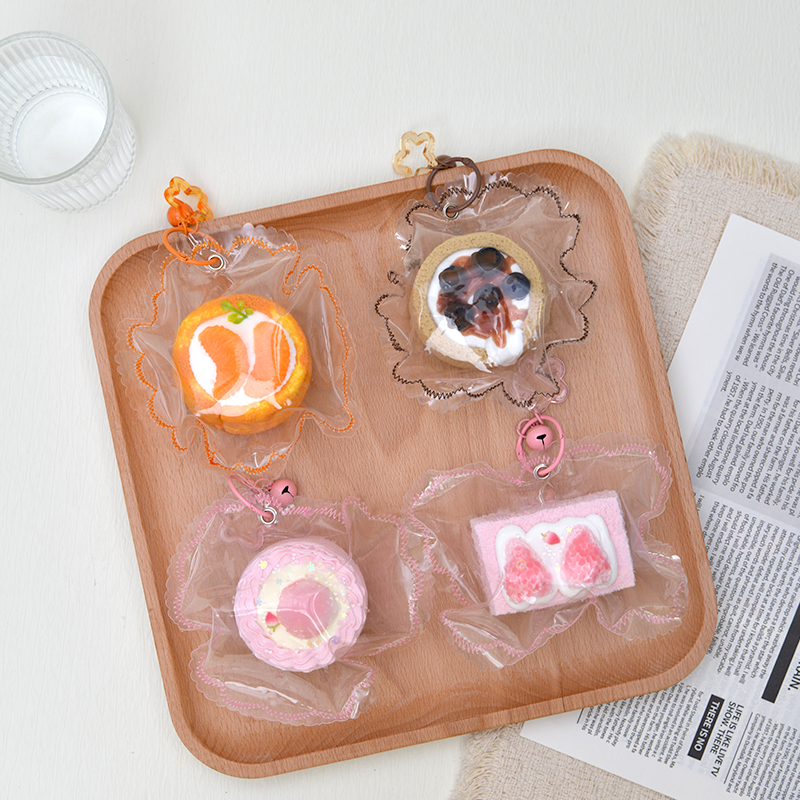
Dripping Sauce Mochi Squishy
The larger body of these mochi and cake shapes suits the slow breathing routine described above: press while breathing in, release while breathing out. They also work for swapping hands during longer breaks. Four dessert styles carry rainbow dripping sauce details: Long Bread, Triangle Cake, Square Mochi and Paw Mochi. The ultra soft silicone stretches and rebounds slowly, and each piece comes with a hanging ring.
- Material: Food-grade silicone
- Styles: 4
- Size: 65–97 mm
Frequently Asked Questions About Squishy Toys
Are squishy toys good for your brain?
Squishy toys help regulate attention and mood through predictable tactile input. They do not improve intelligence or memory. The value lies in calming the nervous system and supporting focus during passive or repetitive tasks.
Do squishy toys help with anxiety?
Many people report a lower feeling of tension after a short session with squishy toys. The effect is generally short term and subjective. They work best alongside breathing, movement and regular rest, and they do not replace care from a qualified professional.
Can squishy toys improve concentration?
For some people, a quiet toy reduces restlessness and makes it easier to sit and listen. For others, the toy becomes a distraction. Simple, silent designs and short use periods give the best chance of a positive effect.
What material is best for slow, relaxing squeezing?
Slow-rise PU foam gives the longest recovery and the softest feel. Gel-filled squishy toys give a strong flowing sensation. Silicone suits people who prefer steady resistance over a sinking feel.
Are squishy toys safe for children?
They can be safe when made from tested materials, labeled for the right age and used with supervision. Check for small parts, strong odor and weak skins. Children under three need extra care, and adults should avoid foam or fill that can be torn apart and swallowed.
How long should one squeezing session last?
Three to eight minutes is enough for most people. Longer sessions of repeated hard squeezing can cause hand fatigue.
Why do some squishy toys smell strong?
A strong odor usually comes from incomplete curing, low-grade coating or poor material control. Good production uses proper curing time, controlled coatings and ventilation checks so finished toys are nearly odorless.
How do I clean squishy toys?
Silicone and TPR can be washed with mild soap and water. PU foam should only be wiped with a damp cloth and dried at once. Never heat or soak filled toys.
Can squishy toys be customized with our own design?
Yes. Shape, size, hardness, recovery speed, color, scent, texture and packaging can all be developed from a sketch or reference photo. Samples are made first so the hand feel can be approved before production.
What makes high-quality squishy toys different?
Consistent hardness, even coating, strong seams, low odor, accurate color and reliable recovery over repeated use. These qualities come from mold precision, formula control and systematic inspection.
Start Your Squishy Toys Project
Send your drawing, reference photo or idea, and our engineering team will propose a material, hardness, recovery speed and sample plan for your squishy toys design.